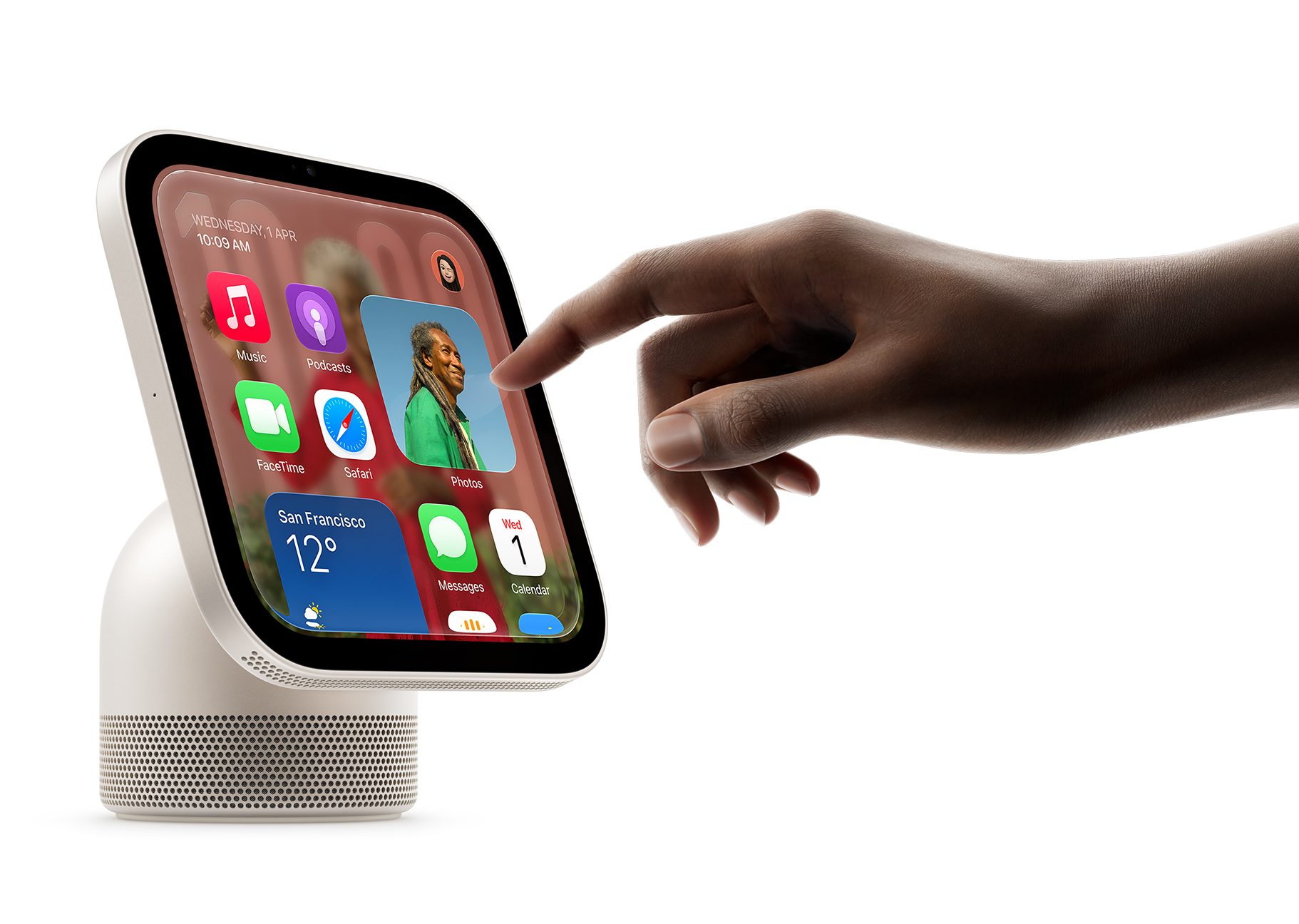
 Apple HomeView: Smart home screen personalized with facial recognitionRead the article |
SummaryApple HomeView is a $299, 7-inch smart home screen introduced on October 13, 2026. The device uses on-device face recognition to distinguish up to six household members. Thanks to proximity-based scaling, it adapts its layout, typography, and information density to the person standing in front of the screen. |
Why it mattersIt solves the chronic 'shared device' problem in smart homes by making a single physical object feel personal to multiple users, eliminating the need to split the household across separate screens. The proximity-based interface, resembling parametric design, represents a shift from static panels to spatially aware computational systems. It also has the potential to reduce the need to reach for a phone for daily controls. |
Highlights
|
Critical takeThe article reads more like a praise-filled promotional piece for design press than a critical review. It was published on an architecture platform and leans on Apple's own framing ('parametric design', 'computational compositions'). It fails to question practical failure scenarios, such as incorrect face matches in low light, the inconvenience of the six-user limit in crowded or transient households, or whether proximity-triggered interface reorganization feels natural or intrusive in a busy kitchen. Describing a proximity sensor that switches between two or three preset layouts as 'real-time parametric design' is a generous interpretation that the article itself cannot justify. |