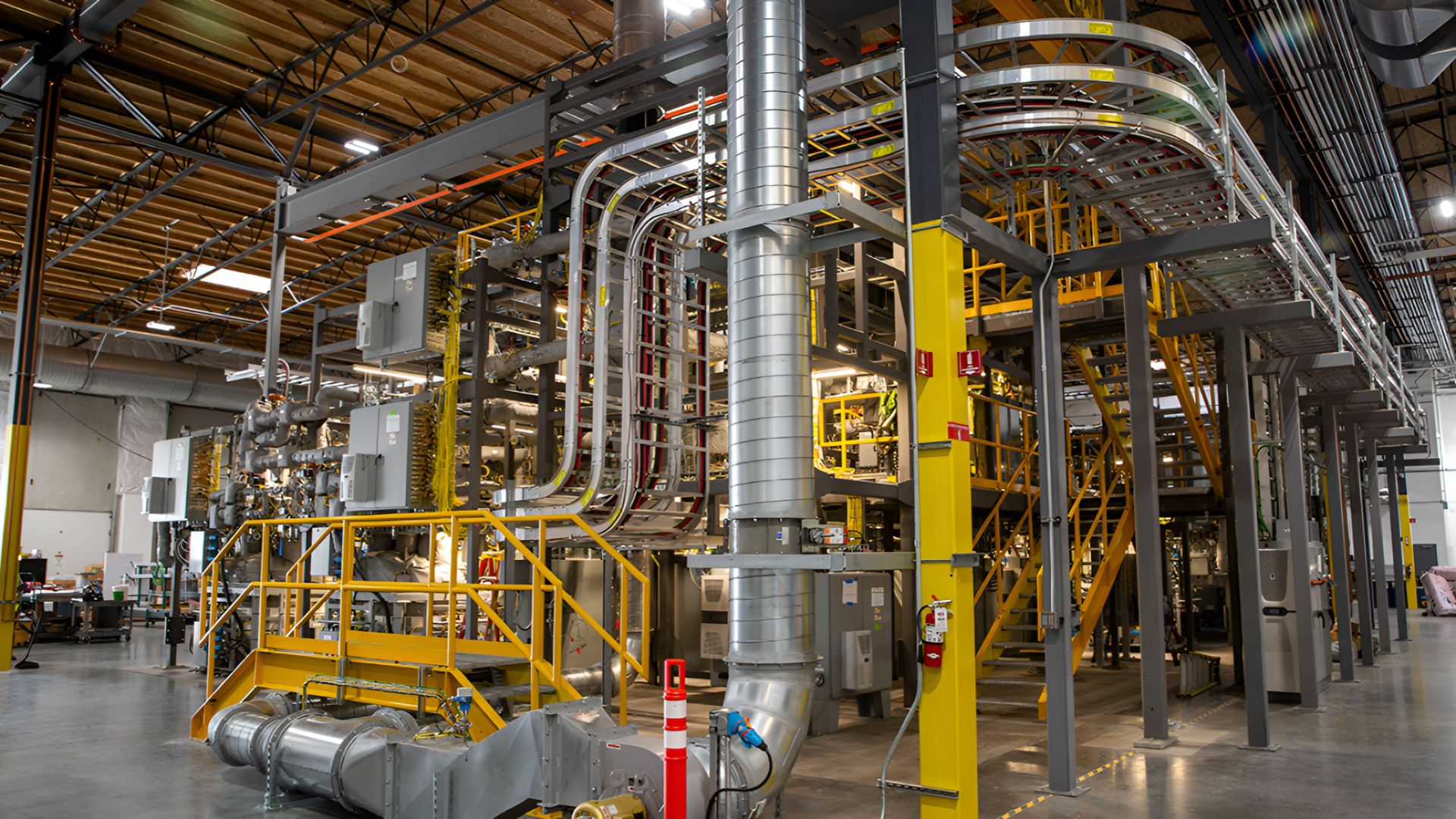
 US's first fast-spectrum molten chloride reactor prepares for critical testRead the article English (automatic translation) |
SummaryThe U.S. Department of Energy (DOE) has approved additional cost-sharing funds for the Molten Chloride Reactor Experiment (MCRE), a joint project involving Southern Company, Idaho National Laboratory, and CORE POWER. The project aims to conduct the world's first criticality test of a fast-spectrum molten chloride salt reactor by 2027. |
Why it mattersMCRE will generate the first real-world operational data for a reactor design that has previously failed to sustain the fission process. This will reduce reliance on simulation models and lower risks in future commercial deployment. The results could also provide insights for regulatory licensing processes. Beyond electricity generation, it may open doors to new applications in marine propulsion and medical isotope production. In a sector where a single design flaw can halt technology for decades, early experimental evidence is a critical prerequisite for investor and regulatory confidence. |
Highlights
|
Critical takeThe article reads like a press release hidden behind a thin veil. All cited stakeholders exhibit a uniform optimism. There is not a single sentence addressing the well-documented technical challenges of chloride salt systems—such as aggressive corrosion of structural materials, fuel cycle chemistry, and the historical setbacks of molten salt reactors (e.g., MSRE and the delayed TMSR programs). The 'as early as 2027' timeline, following commitments made in 2020, already signals a schedule slip. However, the article glosses over this issue without posing a single skeptical question. |