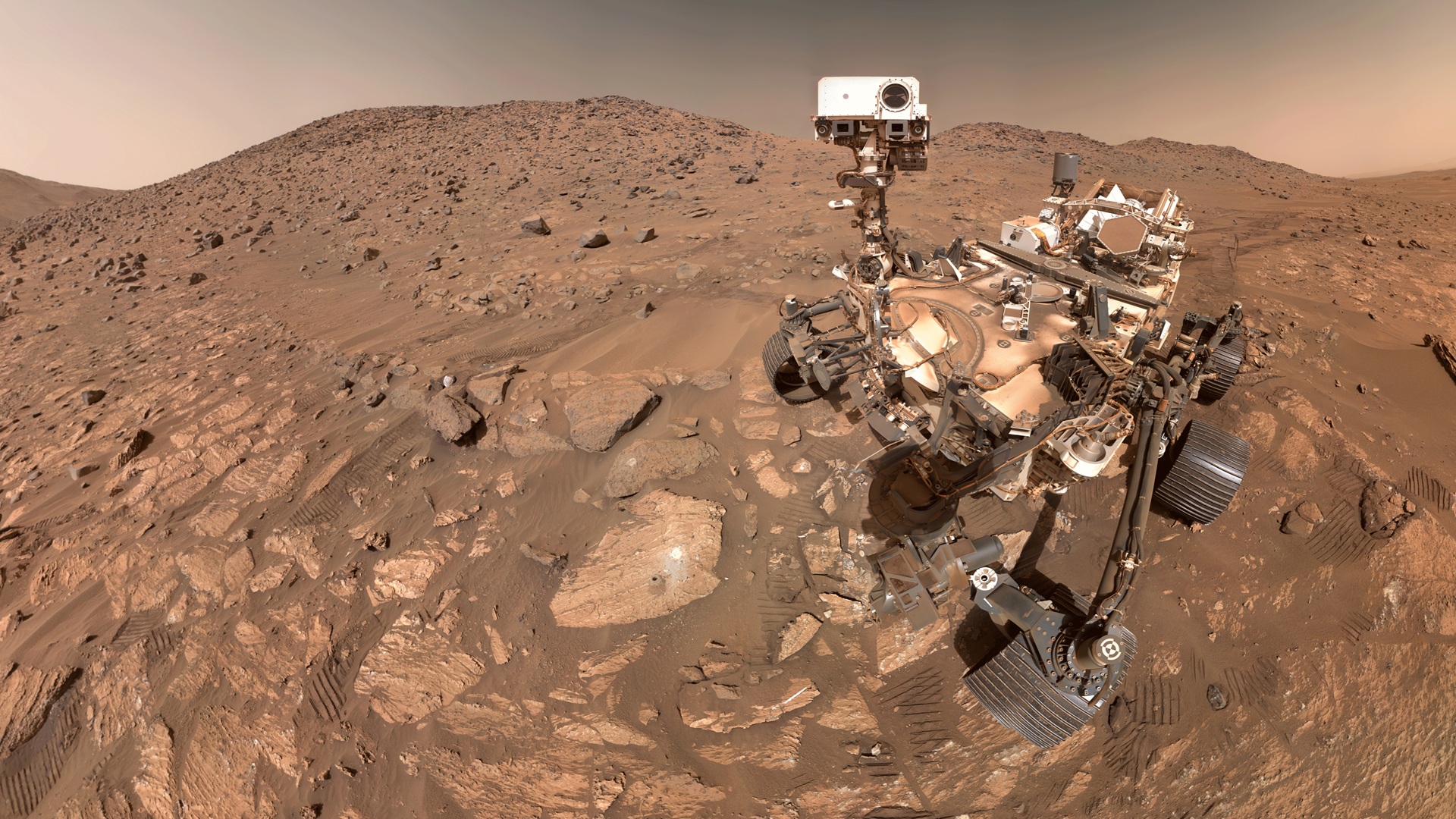
 Perseverance breaks 28-mile Mars driving record using autonomous navigationRead the article English (automatic translation) |
SummaryNASA's Perseverance rover has surpassed Opportunity's long-standing driving record on Mars with a distance of 28.10 miles. This achievement was made possible largely by the AutoNav autonomous navigation system, which managed over 90% of the total distance. The first mission extension, approved in October 2026, will allow the rover to explore the rim of Jezero Crater until the end of 2028. |
Why it mattersMore interesting than the headline figure is the engineering story behind this success. AutoNav can process approximately 600,000 terrain measurement points per scan and plan routes in real time. This capability significantly reduces reliance on operators on Earth. As latency decreases, the area the rover can cover in a single sol expands. This autonomous architecture will serve as a template for NASA's next-generation crewed Mars surface operations or long-duration robotic missions. |
Highlights
|
Critical takeThe article largely appears to be a repackaged version of JPL's press release. While leaning on the 'record' emphasis, it fails to provide independent analysis on what this distance has scientifically gained. Additionally, it glosses over the 'possible biomarker' finding at Cheyava Falls without sufficiently noting how insignificant and controversial this result is. This creates a risk of readers interpreting the finding in an exaggerated manner. |