 Python 3.15 released, 3.10 support endsRead the article English (automatic translation) |
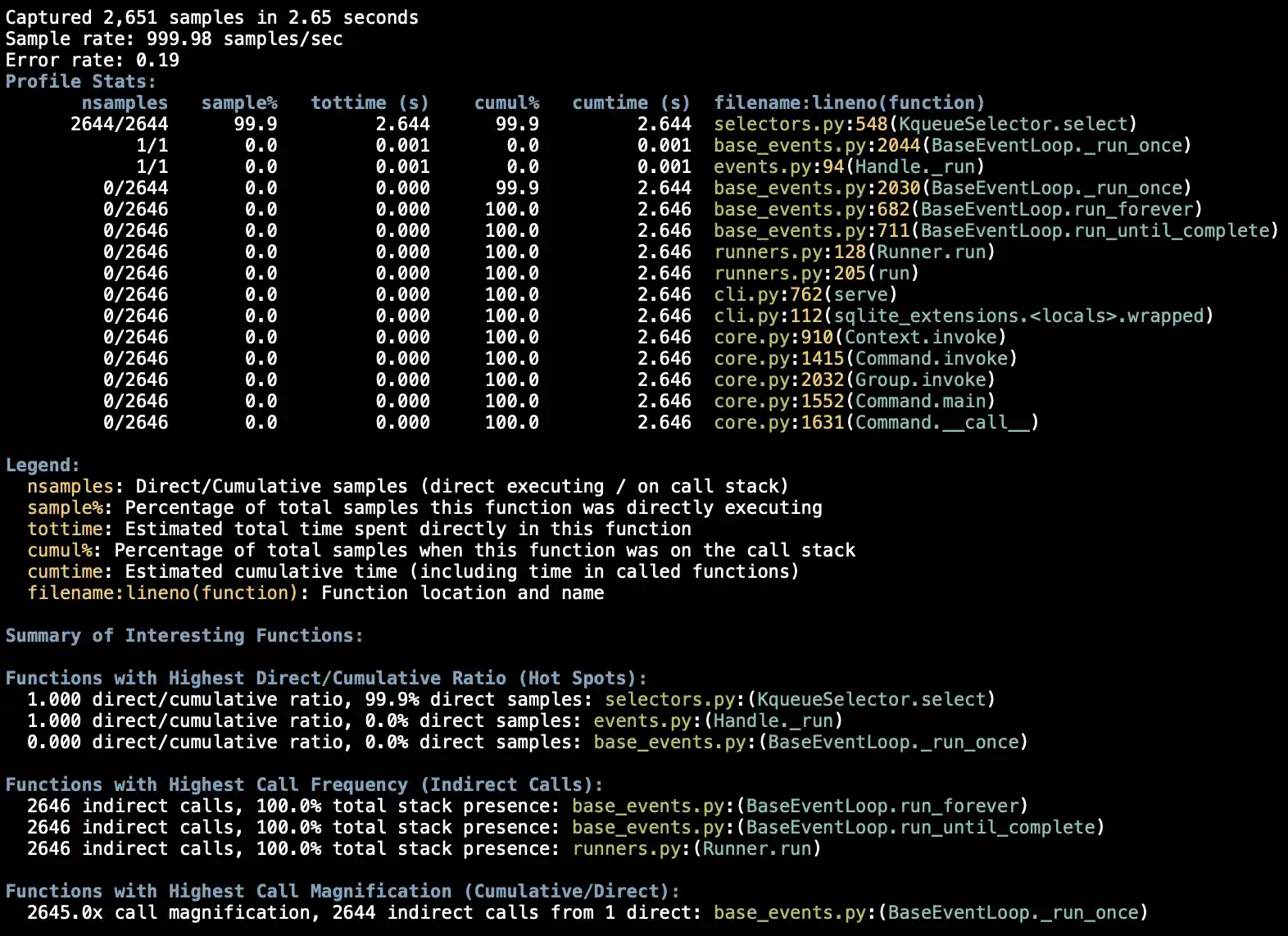
SummaryPython 3.15 introduces explicit lazy imports via PEP 810, derivation opening operations through PEP 798, and built-in sampling profilers named Tachyon for the open-source community. Alongside this release, Python 3.10 officially reaches the end of its lifecycle. |
Why it mattersExplicit lazy imports directly eliminate startup costs that can take seconds in plugin-based command-line tools. Willison personally experiences and documents this issue in his own LLM project. Tachyon profilers remove the dependency on external tools like py-spy for low-cost runtime analysis. Additionally, the end of 3.10's lifecycle enables the broader open-source ecosystem to adopt the one-year feature set of 3.11, including tomllib, asyncio TaskGroup, and significant SQLite API additions. |
Highlights
|
Critical takeThe primary result of the experimental JIT is a 1.2% speedup in a single Fibonacci benchmark. Willison highlights this as the first 'meaningful' gain after years of iterative work. However, since this feature has been on the roadmap since 3.13, the result appears far from meeting expectations. Beyond this, the article is largely a feature list. There is a near-total lack of critical analysis regarding the costs of these choices, backward compatibility risks, and how these additions shape the Python tooling ecosystem. |