 Technion researchers achieve 98% efficiency in green hydrogen productionRead the article English (automatic translation) |
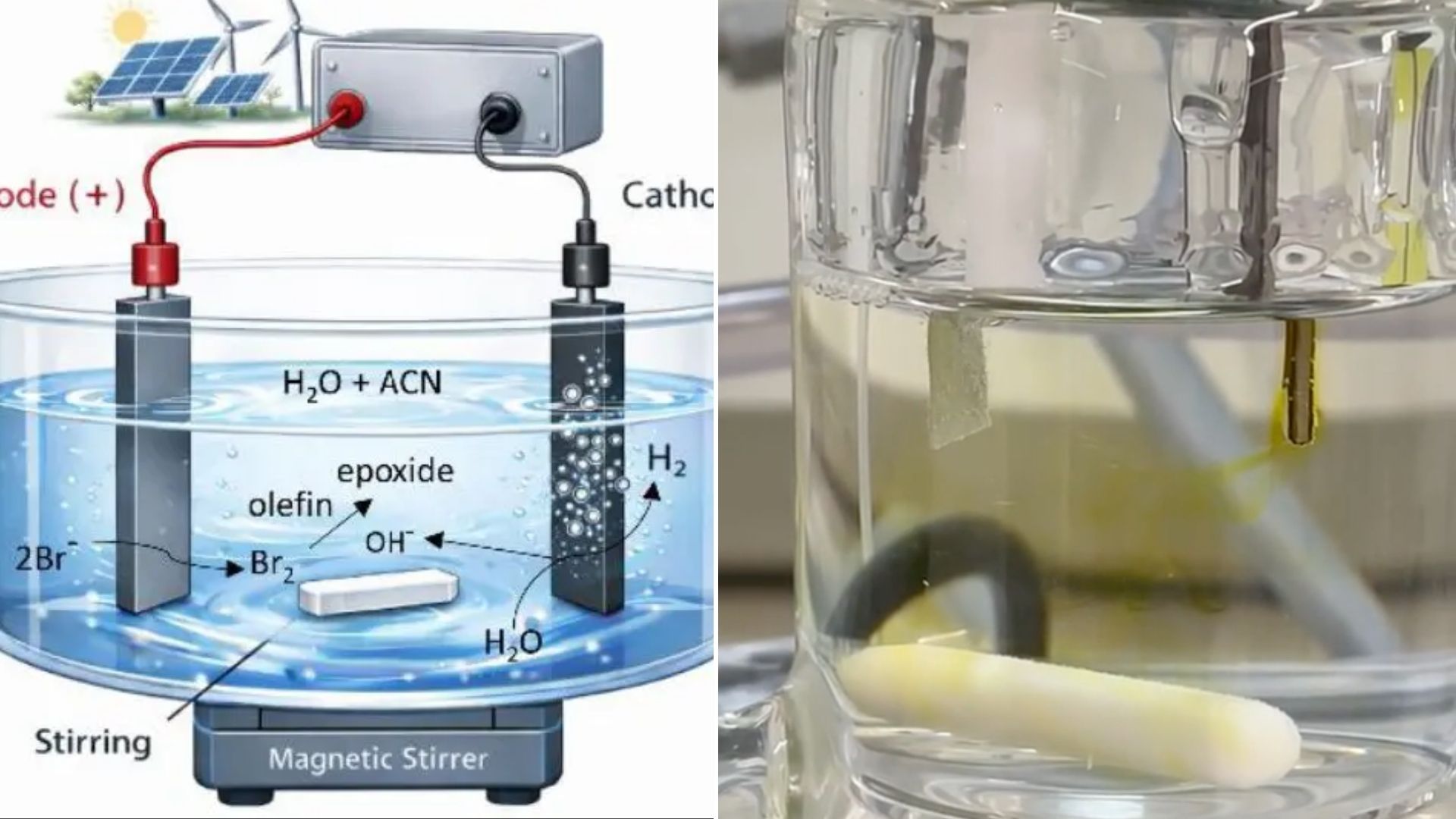
SummaryResearchers at the Technion introduced a membrane-free electrolysis method in a study published in Nature Communications. The method claims a 98% efficiency rate while producing both green hydrogen and epoxide. In the process, oxygen, typically considered a waste byproduct, is converted into a valuable industrial chemical. |
Why it mattersThe cost disadvantage of green hydrogen compared to fossil-fuel-derived hydrogen remains a persistent barrier to decarbonizing hard-to-electrify sectors. This approach, which converts the oxygen byproduct into a sellable chemical feedstock, could significantly improve the economic balance of electrolysis units. The membrane-free architecture also eliminates a critical hardware component, potentially paving the way for lower capital and maintenance costs as scale increases. |
Highlights
|
Critical takeThe 98% efficiency rate cited in the headline is based on laboratory-scale experiments. The article itself acknowledges the lack of continuous industrial operation data. Characterizing a single current density as merely 'compatible with large-scale electrolysis' is a weak substitute for pilot-plant validation. The economic gains also depend on epoxide market prices and the scalability of the redox mediator system, two critical factors the study does not address. |