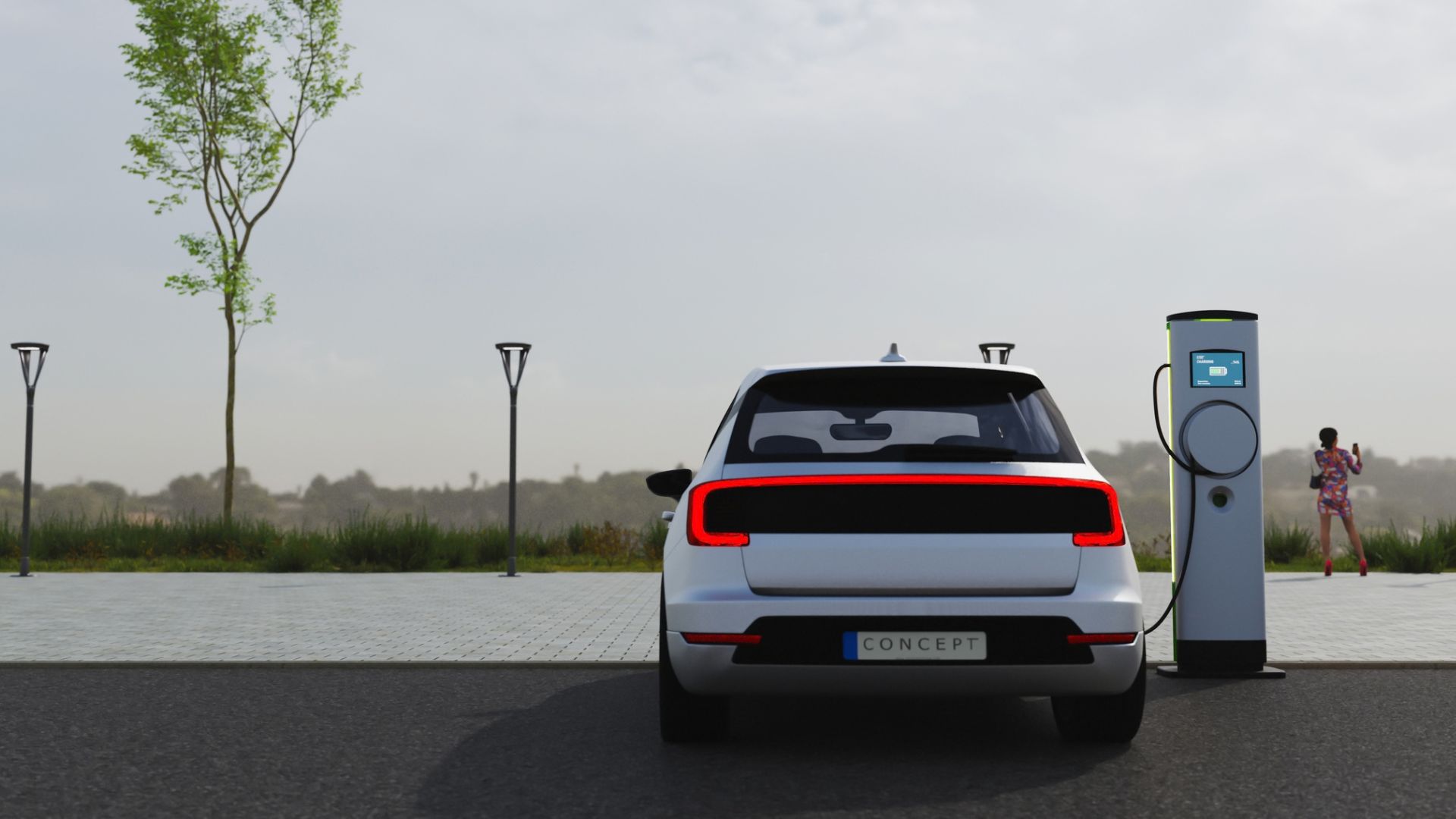
 China and UK develop 98.5% efficient wireless charging for autonomous vehiclesRead the article English (automatic translation) |
SummaryA Sino-British team led by the Dongguan Institute of the Chinese Academy of Sciences (CAS) published a 20 kW inductive wireless charging system for electric vehicles in Nature Communications. By using tension-annealed iron-based nanocrystalline alloys instead of traditional ferrite cores, the system achieves 98.51% AC-to-AC efficiency. The project targets autonomous fleets, AGVs, and low-altitude electric aircraft. |
Why it mattersFully autonomous vehicle fleets are meaningless without hands-free energy replenishment. This study addresses two practical hurdles in high-power inductive charging: thermal leakage and efficiency loss. A 4 mm core profile and 9.55 kW/L density, if scalable to commercial charging pads, would eliminate the last point of human contact in the autonomous vehicle cycle. This aligns with China's 2026–2030 smart vehicle deployment plans. |
Highlights
|
Critical takeThe 98.51% efficiency figure covers only the inductive coupling stage. When battery management electronics and positioning losses are added, end-to-end efficiency will drop significantly. Furthermore, 20 kW is an order of magnitude below the 150–350 kW DC fast charging expected by modern electric vehicles. Therefore, 'autonomous refueling' here implies slow overnight charging rather than rapid turnarounds. The article’s promotional language ('unprecedented', 'dream') and lack of independent reproducibility data make it difficult to distinguish a genuine breakthrough from well-executed incremental materials engineering. |