 US, Google and Meta launch $1.8 billion data project for virtual cellsRead the article English (automatic translation) |
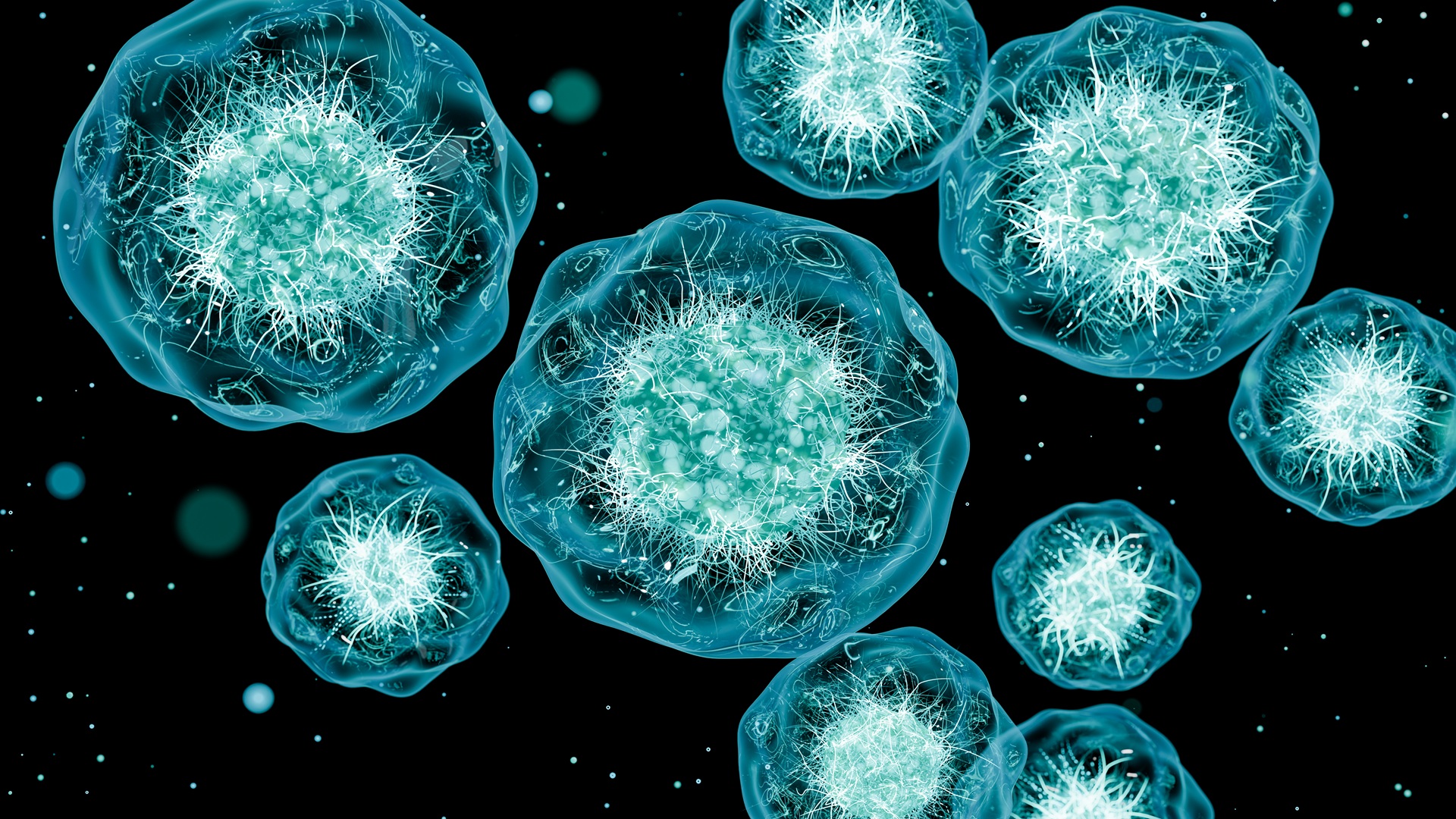
SummaryThe US government, Google DeepMind, Meta, and Biohub are pooling approximately $1.8 billion to build open, standardized biological datasets and computational infrastructure. The goal is to create predictive 'virtual cells' capable of simulating cellular responses in a digital environment. This initiative expands on Biohub's Virtual Biology Initiative, launched in April. The project incorporates DOE supercomputers, NIH data repositories, and NVIDIA accelerated computing infrastructure. |
Why it mattersBiology has long lagged behind other fields in computational modeling due to a chronic lack of large-scale, standardized experimental data. This project directly addresses this bottleneck by funding cryo-electron tomography, high-throughput microscopy, and shared data standards. If successful, the ability to run 'digital experiments' before wet-lab work begins could compress timelines for disease research and drug discovery. The commitment to public access also positions the datasets as a shared scientific good rather than a proprietary asset. |
Highlights
|
Critical takeThe article acknowledges that the 'final outcome is still unproven and based on predictions.' There is no working universal virtual cell yet. The $1.8 billion is essentially a bet that better data and computing power will bridge the gap to predictive biology. Given the extraordinary complexity of cellular systems and the history of exaggerated AI promises in biology, the real test will be whether standardized datasets can actually generate models that generalize beyond narrow, well-defined cell types. |