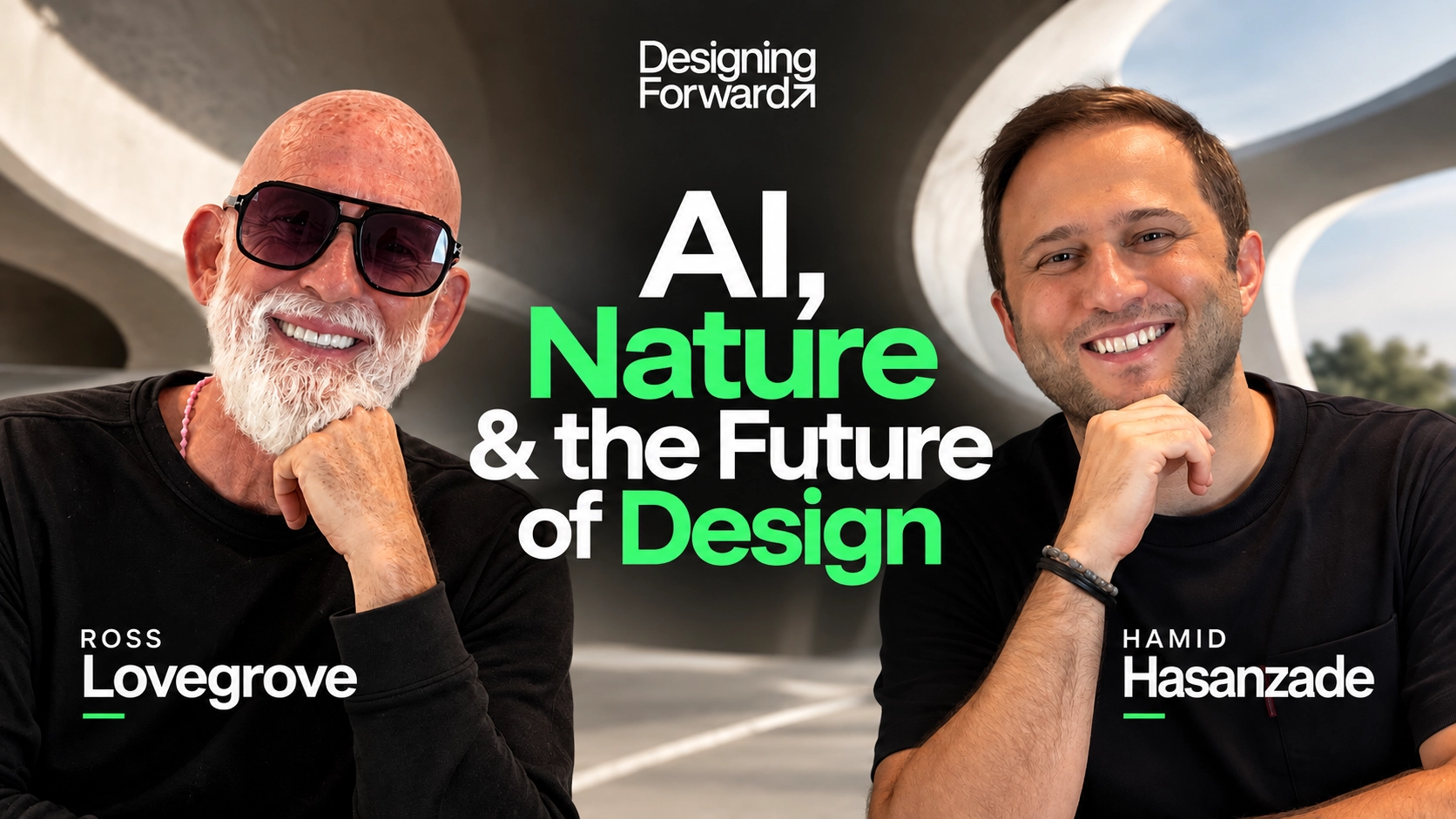
 Ross Lovegrove: AI should expand the design experience, not define itRead the article |
SummaryIn a podcast-style interview, industrial designer Ross Lovegrove argues that AI should augment rather than erase a designer's accumulated creative identity. He illustrates this view through his flawed yet instructive chair collaboration with Google DeepMind's Gemini model. Positioning himself as a 'technology sculptor' and director of ideas, Lovegrove emphasizes that hand-drawing and biological logic remain at the heart of meaningful design. |
Why it mattersAs generative tools pump thousands of options into the design process within minutes, Lovegrove's insistence that 'writing is an augmentation tool' offers a counter-narrative to the dominant tech media trope that 'AI is replacing designers.' The DeepMind chair experiment—where outputs were heavy, non-ergonomic, and stylistically inconsistent—provides a rare and honest data point highlighting the distinct gap between AI generation and physical manufacturability. The 'director, not operator' model for design education and practice reframes which skills matter in an AI-saturated studio. |
Highlights
|
Critical takeThe text reads more like a promotional podcast summary than an independent analysis. Lovegrove's thesis that 'AI augments what is already experienced' comfortably ignores the real disruption for junior designers and the broader workforce. Labeling a heavy, non-ergonomic chair as 'valuable' because it reveals friction in the process is defensible but serves his own narrative. This approach underestimates how inadequate the process remains from production to manufacturing. |