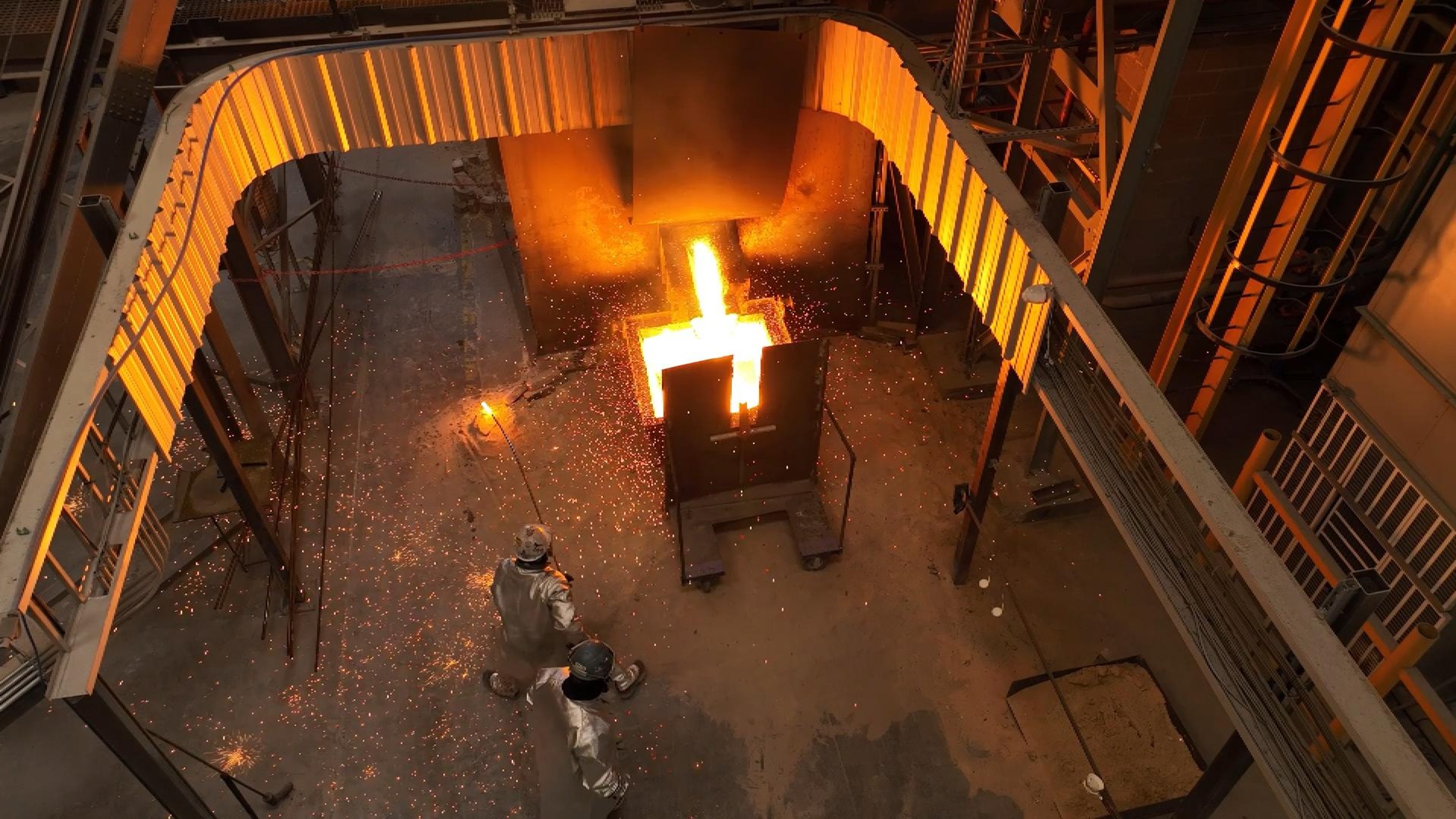
 US-backed plant produces steel in a single step, cutting emissions by 98%Read the article English (automatic translation) |
SummaryHertha Metals has secured $133.65 million in investment (including a $65 million equity stake from the U.S. government) to build a 10,000-ton capacity facility in Texas for producing high-purity iron and steel. The company claims its single-reactor production process offers 25% lower costs and up to 98% emissions reductions compared to traditional blast furnaces. The facility aims to reduce reliance on imported magnet-grade iron used for NdFeB rare-earth magnets in electric vehicles, aviation, and the defense industry. |
Why it mattersThe U.S. imports nearly all of the high-purity iron required for neodymium-iron-boron magnets, creating a critical security vulnerability in the supply chains for electric vehicles, defense, and data centers. If Hertha’s single-stage process can deliver on its cost and emissions claims at scale, it could lay the foundation for a domestic magnet raw material chain and provide a reliable low-carbon alternative to coal-dependent steel production. The $65 million federal equity stake signals that Washington views this project not merely as a commercial investment, but as a strategic industrial priority. |
Highlights
|
Critical takeThe 98% emissions reduction cited in the headline applies only to the best-case scenario using hydrogen fuel. When natural gas is used, the savings drop to approximately 50%. Furthermore, there is no evidence that these figures have been independently audited at the 10,000-ton scale. The article largely reads like the company’s press release. All performance claims are attributed directly to Hertha, the facility is not yet under construction, and the 28-fold capacity increase from the 360-ton pilot plant carries serious risks in engineering and supplier qualification processes. |