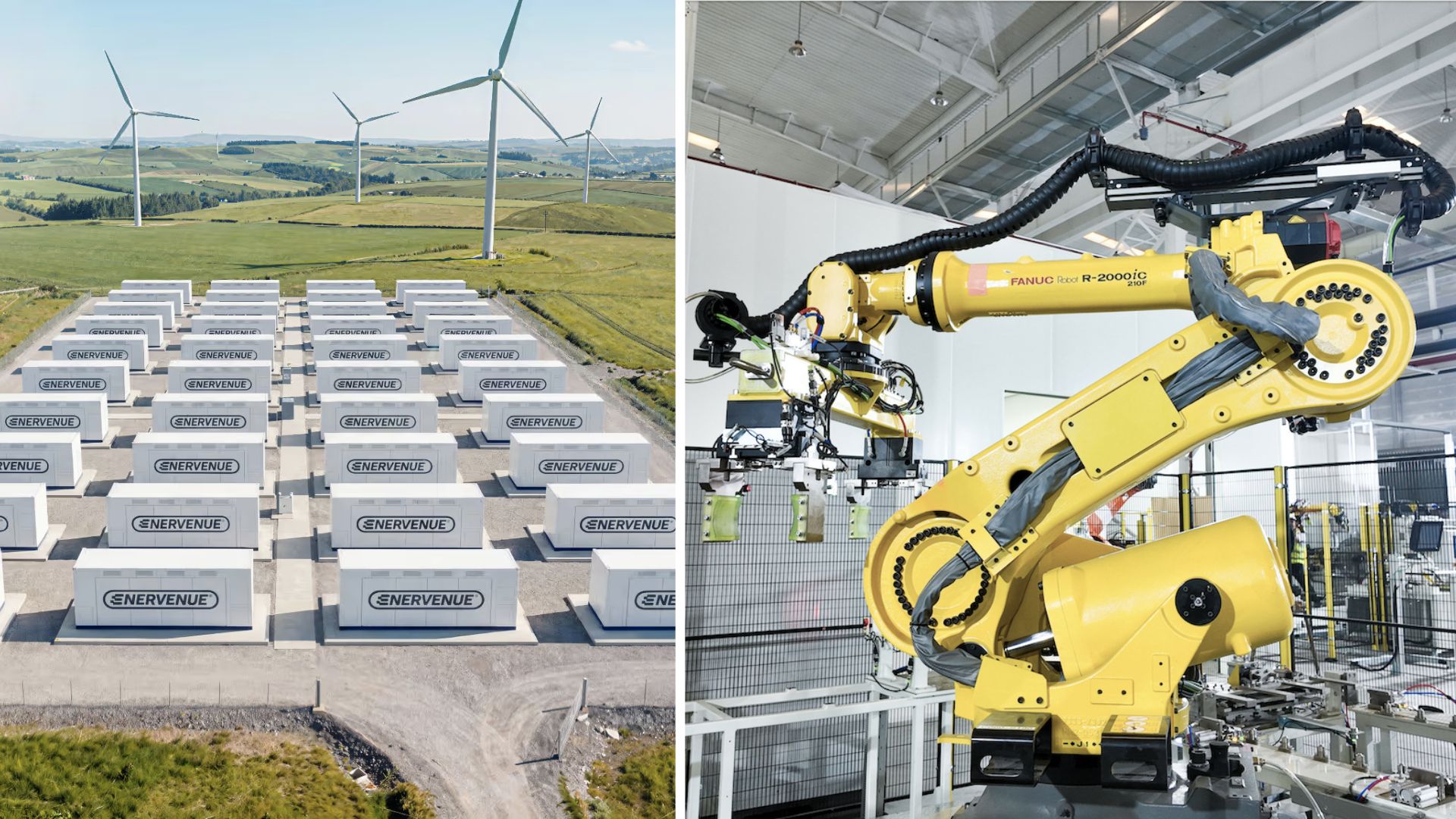
 EnerVenue launches world's first high-volume production line for water-based metal batteryRead the article English (automatic translation) |
SummaryCalifornia-based EnerVenue has begun high-volume production of its water-based nickel-hydrogen battery technology, the Aqueous Metal Cell (AMC). The company aims to produce 250 MWh annually in the first phase at its 20,000 m² facility. The battery is designed to withstand 30,000 charge cycles over a 30-year lifespan. |
Why it mattersIf the claims of 30,000 cycles and no need for capacity augmentation are verified by independent tests, this could fundamentally transform the economics of long-duration grid storage. It would eliminate the cost burden associated with the 7-10 year replacement cycle of lithium-ion systems. Furthermore, this technology offers a distinct value proposition based on the total energy delivered over its lifetime rather than the initial $/kWh cost. This characteristic could open the door for projects where pumped hydro or flow batteries were previously the only viable alternatives. |
Highlights
|
Critical takeThe article reads almost verbatim like a company press release. Since independent laboratory data, third-party cycle life validation, and energy density figures have not been shared, the 30,000-cycle claim cannot be verified from this source. Strategically, EnerVenue avoids a direct $/kWh comparison with lithium-ion. This serves to obscure the most critical metric used by grid buyers in their purchasing decisions. |