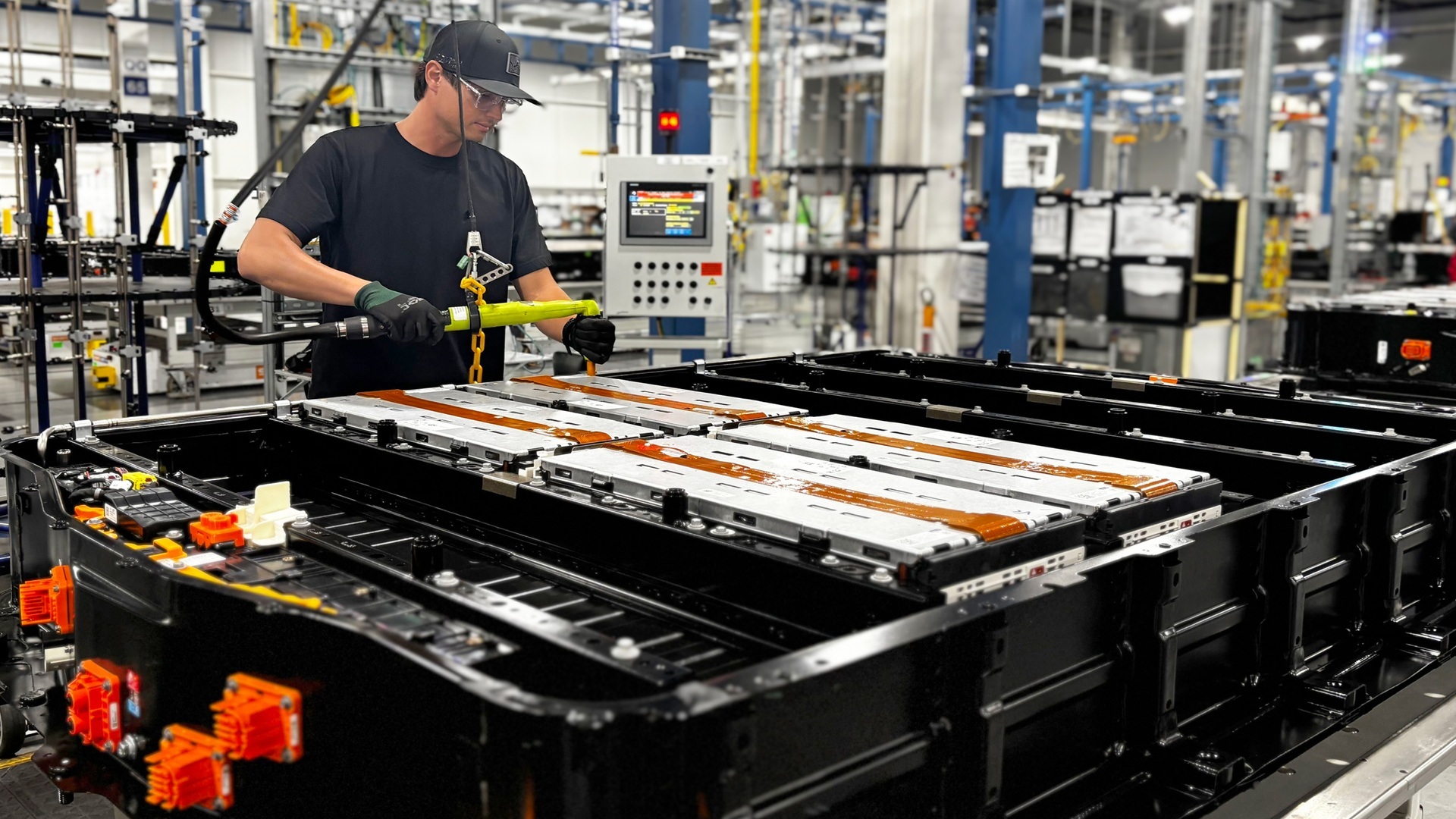
 General Motors rolls out first EVs using batteries with 100% recycled critical mineralsRead the article English (automatic translation) |
SummaryGM, in collaboration with Cirba Solutions and Ultium Cells, has launched the first electric vehicles featuring cathodes composed of 100% nickel, cobalt, and manganese recovered from end-of-life GM battery packs. This milestone marks the completion of the company's closed-loop recycling pilot project at its facilities in Ohio and Tennessee. |
Why it mattersBy 2040, approximately 14 million electric vehicle batteries are expected to reach end-of-life globally, with annual lithium-ion demand projected to reach 4–7 TWh. Demonstrating that retired cells can be converted into battery-grade cathode materials represents a concrete step toward reducing reliance on virgin mining. Furthermore, it signals that local recycling infrastructure in the US may begin closing the supply loop for critical minerals. This development could also yield positive spillover effects for grid storage and consumer electronics sectors. |
Highlights
|
Critical takeThe article reads more like a corporate press release than independent journalism. Every key claim is supported by quotes from GM or Cirba executives. There is no independent verification regarding energy density, efficiency rates, or cost parity with cathode materials sourced from virgin mining. While the term 'first' is technically defensible, it may be misleading. This is because the recycled ratio is limited to just three cathode elements, while the rest of the battery still utilizes virgin materials. |