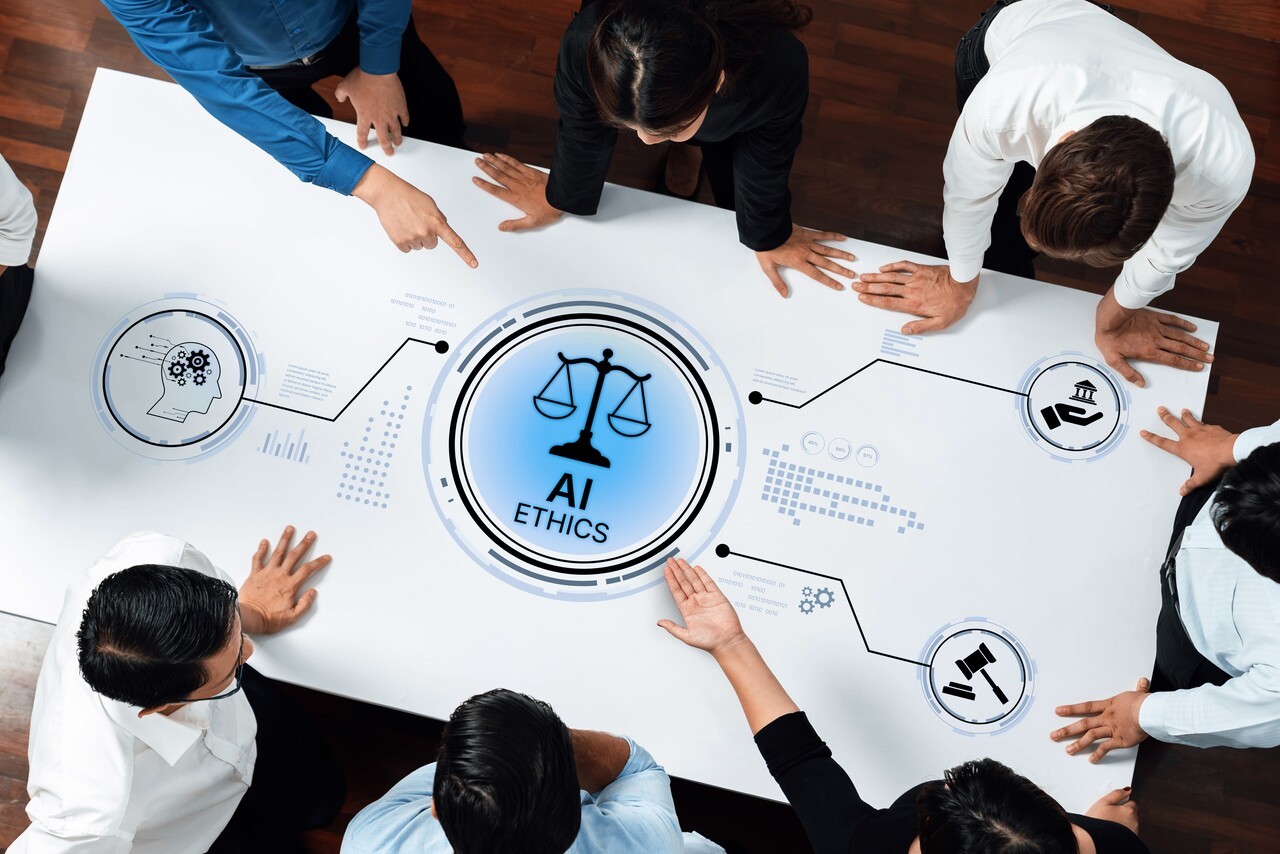
 Science Ministry publishes AI usage guide for researchersRead the article English (automatic translation) |
SummarySouth Korea's Ministry of Science and ICT has finalized a national AI research ethics guide that mandates seven core principles for all state-funded R&D activities. These principles include verification, independent judgment, transparency, reliability, compliance, security, and data protection. The guide also explicitly prohibits reviewers from submitting review materials to external AI tools. |
Why it mattersAs AI-assisted writing and analysis become increasingly prevalent in academia, this guide draws a concrete institutional boundary: AI is a tool, not an author, and all responsibility remains with the researcher. The guide includes a notable anti-manipulation clause that bans the use of hidden prompts to distort peer review criteria. This risk is heightened because large language models (LLMs) make it extremely easy to generate convincing yet superficial academic text. For other governments monitoring how to regulate AI in research, Korea's approach offers a practical template by combining explicit prohibitions with positive obligations on both sides of the review process. |
Highlights
|
Critical takeThe guide reads more like idealistic calls than actionable rules. The text lacks any mention of penalties, audit mechanisms, or how 'independent judgment' will be practically verified. While banning reviewers from using AI entirely seems logical in principle, it risks creating a two-tier system. Well-resourced laboratories may continue using AI with internal resources, while smaller groups could be disadvantaged. Furthermore, this ban can be easily circumvented by using local models or private instances. |