 US project combines quantum AI and robotics for competitive rare earth supply chainRead the article English (automatic translation) |
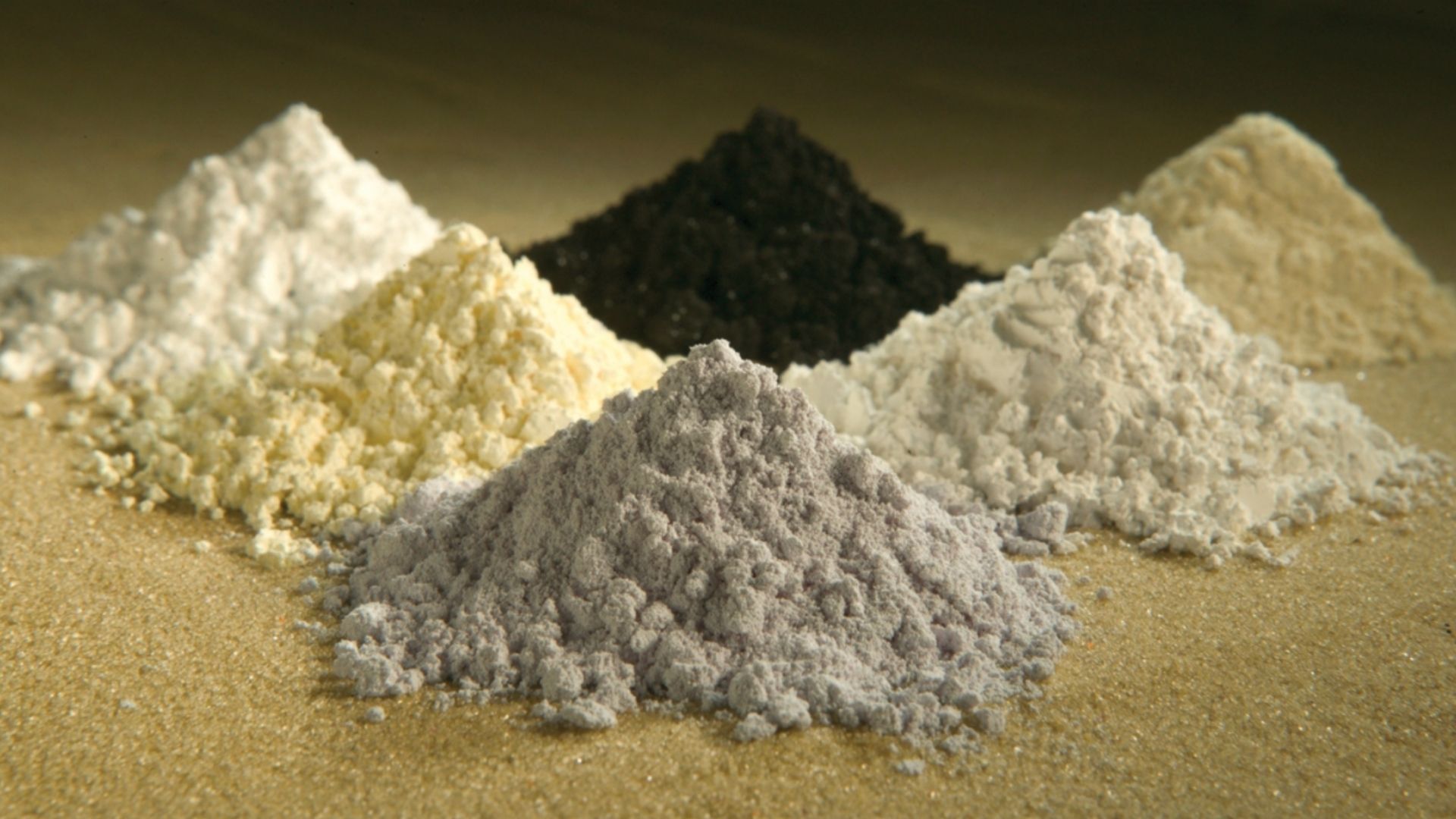
SummaryUSA Rare Earth, Pasqal, and Riven Systems announced a project combining quantum machine learning with autonomous laboratory experiments to discover more selective extractor molecules for rare earth element separation. The goal is to reduce facility size and lower processing costs. |
Why it mattersChina holds a dominant position in the separation of heavy rare earth elements, such as dysprosium and terbium, which are critical for defense and advanced manufacturing. This situation turns Western processing capacity into a strategic security vulnerability. More effective extractors could reduce the number of processing stages, lower capital and operational costs, and minimize the environmental footprint of new facilities. The project also serves as an early field test of whether quantum machine learning provides a practical advantage over classical models in predicting materials chemistry. |
Highlights
|
Critical takeThe 'quantum' role here is limited to comparing QML models with classical ones. The article lacks a timeline, funding figures, or performance targets; the text reads more like a press release than a concrete technical commitment. It has yet to be proven whether quantum machine learning can truly outperform well-tuned classical models in this specific molecular binding prediction task. |