 Stanford researchers create hybrid human-mouse brain modelRead the article English (automatic translation) |
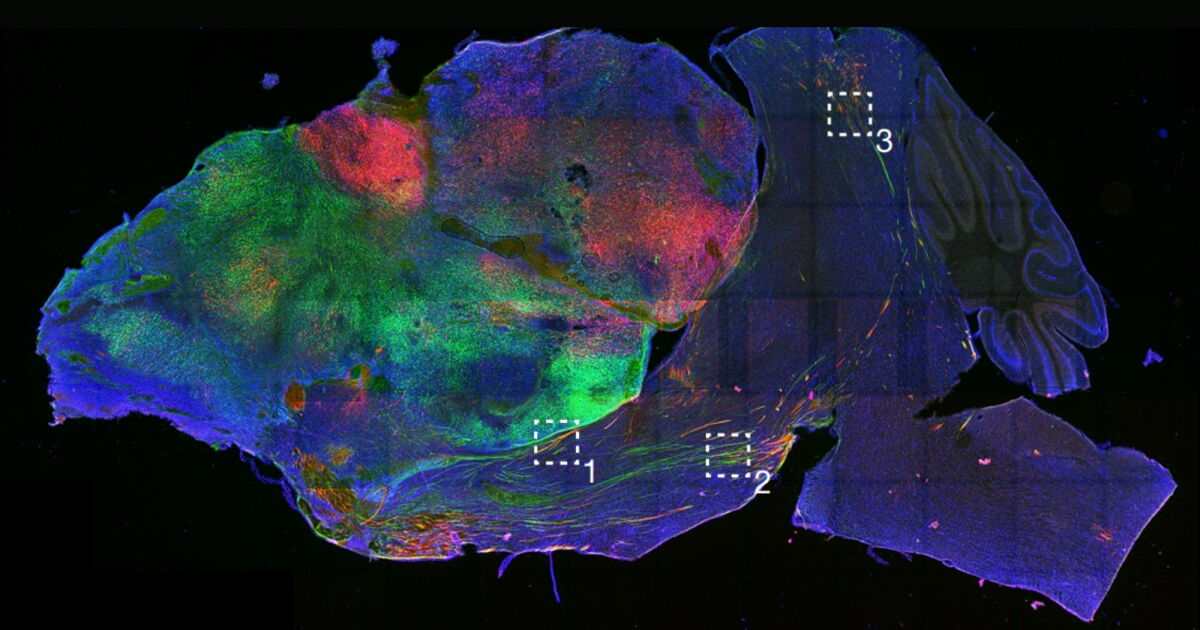
SummaryStanford researchers transplanted human cortical organoids into genetically modified 'apallial' mice lacking basic brain structures. The human tissue reached approximately 92% of the host mice's cortical mass, integrated into their nervous systems, and influenced their motor behavior. Published in Nature, this study offers a new platform for studying human brain development and diseases within an integrated system. |
Why it mattersOrganoids in dishes have always been limited due to their isolation from the physiology of a living body. Inoculating these organoids into a prepared animal brain bridges this gap; it could accelerate drug testing, personalized treatment design, and early diagnosis of neurological conditions. However, the degree of functional integration demonstrated here—active signal transmission and behavioral impact—pushes the field toward hybrid cognition ethical questions that regulators have not yet fully addressed. |
Highlights
|
Critical takeThe 92% figure is striking; however, the article does not provide details on how many mice were used, the observation period, or whether the motor behavior changes were statistically robust. This leaves questions about whether the 'effect' is a genuine signal or a small, uncontrolled artifact. Additionally, the term 'functional unit' should not be used to avoid overstating what a cortical graft lacking sensory-motor loops or higher-level connections can do in a living animal. |