 UN: Artificial intelligence puts all human rights at riskRead the article English (automatic translation) |
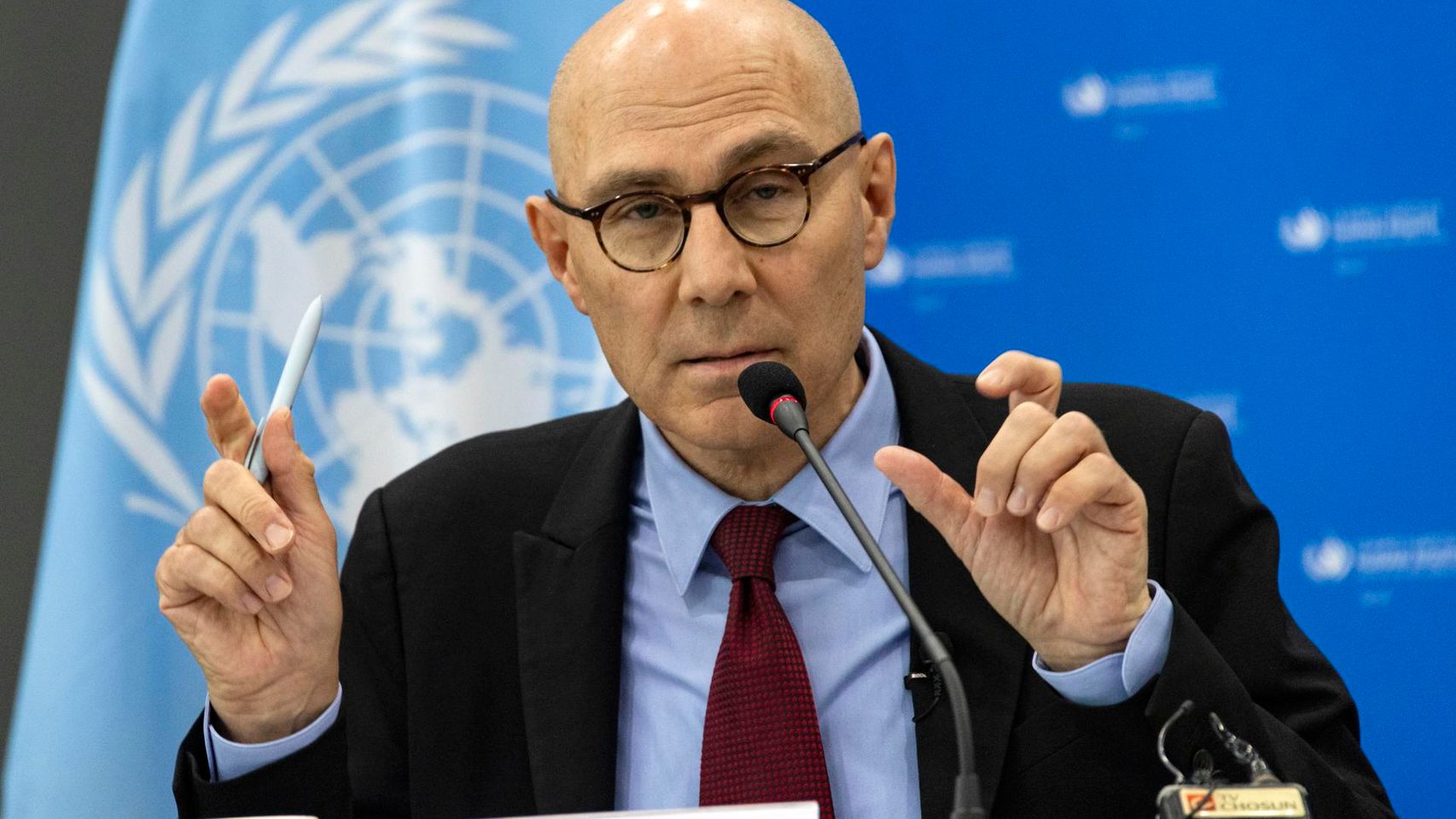
SummaryUN High Commissioner for Human Rights Volker Türk warns that the accelerating development of artificial intelligence—particularly agentic AI—poses risks to all human rights, starting with life, food, privacy, and security. Türk also notes that this development is accelerating wars and weakening protection mechanisms against weapons of mass destruction. This warning comes amid a sharp policy divide: while leading figures in the AI sector call for slowing development, the Trump administration is focused on overtaking China at all costs. |
Why it mattersThis is significant because it frames AI risk not as a speculative, distant future scenario, but as an urgent threat backed by the UN’s highest-level human rights office. It also highlights a real governance dilemma: the very people developing the technology (Amodei, Altman, Musk) are acting cautiously, while the most powerful state actor prioritizes geopolitical competition over safety. This leaves multilateral governance in a state of uncertainty. |
Highlights
|
Critical takeThe article reads more like a relay of a press release than an independent analysis. Türk’s quotes are presented without concrete events, data, or case studies to support claims such as 'all populations could lose access to water or heating.' The text also fails to provide a counter-perspective from AI researchers or policymakers who could contextualize how far agentic AI errors are from an existential framework. The comparison with Trump’s statements is editorially convenient but superficial; none of the parties’ actual policy proposals are examined. |