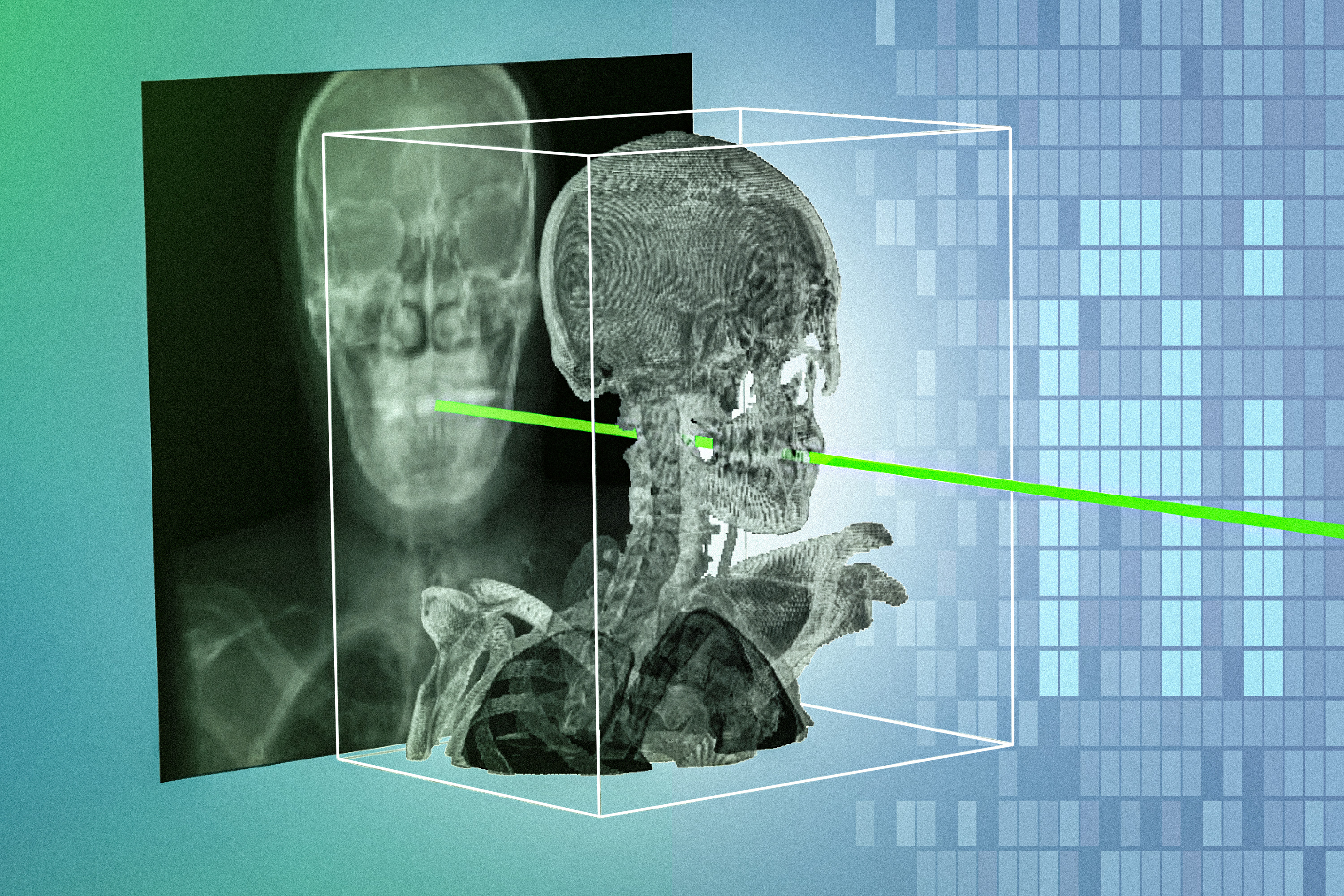
 MIT's xvr system speeds up 2D-3D image matching in surgeriesRead the article English (automatic translation) |
SummaryMIT researchers published a patient-specific AI system, xvr, in Nature. The system aligns 2D intraoperative X-ray images with preoperative 3D scans (CT/MRI) within seconds and with sub-millimeter precision. xvr adapts to each patient individually in approximately five minutes. |
Why it mattersMinimal invasive procedures such as emergency stroke interventions, angioplasty, and neurosurgery rely on clinical staff manually aligning flat X-ray images with 3D anatomical structures. Mastering this skill takes decades. xvr automates this alignment reliably across diverse patient anatomies. By lowering the expertise barrier, the system could expand access to time-sensitive, life-saving procedures that many Americans cannot reach within an hour. |
Highlights
|
Critical takeThe text reads like a press release. Claims of an 'order of magnitude' improvement and a five-minute adaptation time are made without sharing error rates, dataset scale, or robustness data for noisy real-world intraoperative images. While the accessibility argument (stroke centers within an hour) is compelling, it remains speculative. No clinical trial data, deployment timeline, or regulatory roadmap is provided. |