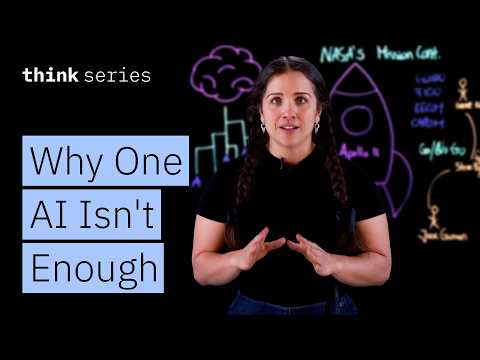
 Multi AI Agent Systems: When One AI Brain Isn’t EnoughWatch with Turkish subtitles |
SummaryThe article argues that the inability of individual AI agents to express uncertainty is dangerous in high-risk domains. It proposes multi-agent architectures with producer, validator, and competitor roles as a solution. This approach is compared to NASA’s Apollo 11 go/no-go protocol and corporate validation practices in the medical and financial sectors. |
Why it mattersAs AI agents are pushed into healthcare, finance, and legal compliance, the issues of hallucination and overconfidence are shifting from academic curiosity to genuine regulatory and safety obligations. The multi-agent validation pattern is one of the most practical architectural responses to a fundamental limitation inherent in how LLMs are trained. This is not a problem that will easily disappear with a future model update. |
Highlights
|
Critical takeThe Apollo 11 analogy is rhetorically powerful but somewhat misleading. The human experts at Mission Control genuinely possessed independent domain knowledge and could reason about new failure scenarios. LLM-based 'validator' agents, however, often come from the same model family and share the same blind spots. Consequently, multi-agent consensus may be correlated rather than truly independent. The article also glosses over real engineering costs. It fails to address issues such as latency, token consumption, coordination complexity, and the risk of a weak validator approving a confident producer. While it offers a compelling narrative, it provides little guidance on when this additional overhead will actually yield a net benefit. |