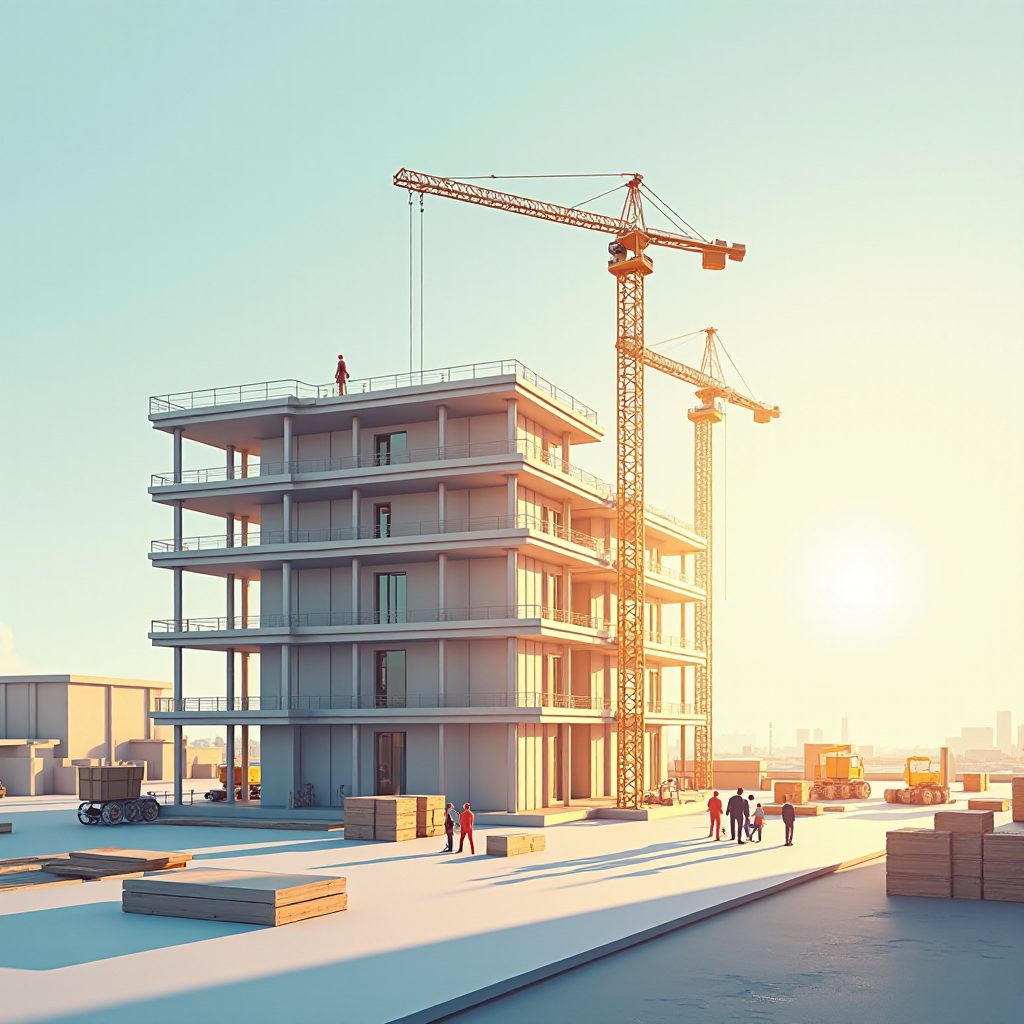
 Digital twins have become the new battleground in construction technologyRead the article |
SummaryThe article argues that digital twins in the construction sector have evolved from a concept of 3D modeling to addressing data continuity issues across the full lifecycle. Real competition is now shaping itself around the ownership of the information layer that connects design, construction, and operations processes. The text cites Autodesk's $3.6 billion acquisition of MaintainX and the emergence of 137 new startups as evidence of this consolidation. |
Why it mattersThe chronic issue of 'data death at handover' in the construction sector leads to design-phase knowledge being fragmented into PDFs and disconnected asset records. This situation causes billions of dollars in operational inefficiency to persist. If digital twins integrate geometry, sensor data, maintenance history, and commissioning records into a single queryable system, the economic benefits will not be limited to a single project phase. The scope covers the entire built environment lifecycle. Cross-phase integration and M&A activity (Autodesk/MaintainX, JLL, Tishman Speyer) indicate that existing players view this not as a feature update, but as a platform war. |
Highlights
|
Critical takeThe text reads more like a market promotion than an analytical review. The figure of '137 startups' is attributed to an unnamed '2026 analysis.' The AI section is cut off mid-sentence. Furthermore, the article's core claim that 'a digital twin is reliable data relationships' downplays the massive compatibility, ownership, and commercial incentive barriers that the text itself acknowledges but does not resolve. Describing this as a 'battlefield' is accurate. However, the article does not provide an example of a digital twin that has successfully survived handover, leaving the promise untested. |