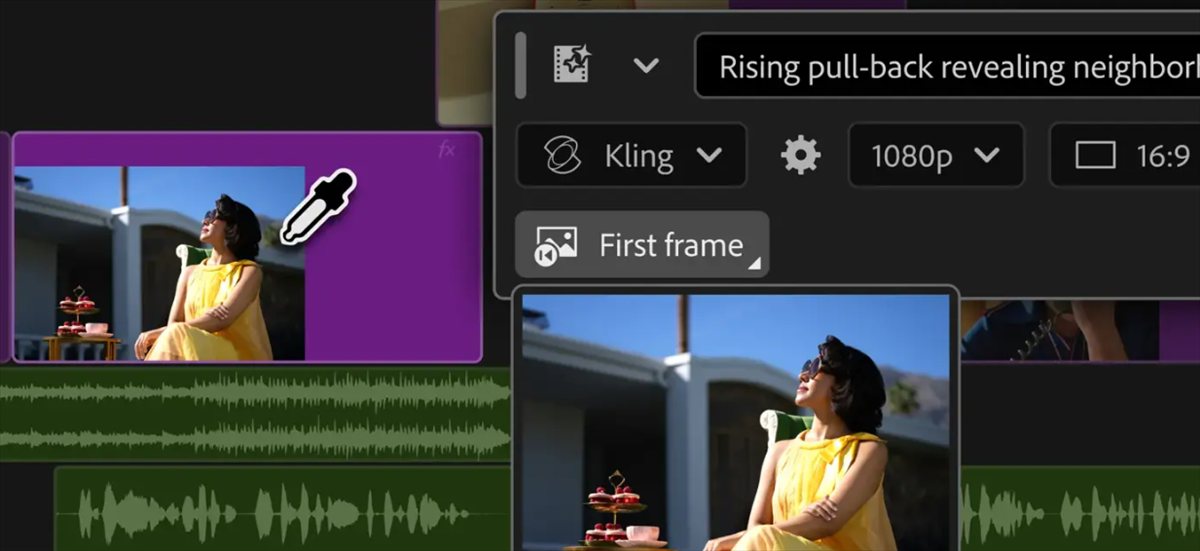
 Adobe integrates AI video generation into Premiere and After EffectsRead the article English (automatic translation) |
SummaryAdobe announced three AI-powered updates for Premiere Pro and After Effects ahead of IBC 2026. Generative video and audio fill, a natural language AI assistant, and advanced audio separation features have been integrated directly into the timeline. This strategy positions Adobe not as a standalone generator, but as an orchestration layer where third-party models like Veo, Kling, Runway, and Luma coexist with traditional editing tools. |
Why it mattersThis is significant as it marks the shift of AI generation from a separate application to the professional finishing pipeline. Editors already manage layers, version control, and multi-channel audio in this environment. Not having to leave the timeline to find missing footage reduces friction. The multi-model selector signals that the industry is moving away from the 'best single generator' mindset toward a composable, workflow-integrated paradigm. Adobe winning an Emmy for Premiere’s 35-year contribution to TV post-production simultaneously underscores its goal of being a reliable production environment rather than just hosting the flashiest model. |
Highlights
|
Critical takeThe article’s own pricing caveat weakens the claim of a seamless workflow. Credits are added on top of the €24.19 monthly subscription, while the scope of the 'unlimited' package remains unclear. If every missing frame becomes a metered processing event, the timeline experience quickly turns into a pay-per-gap treadmill. Furthermore, while the multi-model selector is impressive in theory, it raises unaddressed questions about quality consistency. The announcement does not explain how clips generated by Veo and Runway, sitting side-by-side in the same sequence, will match in color, motion, and lighting without manual correction. |