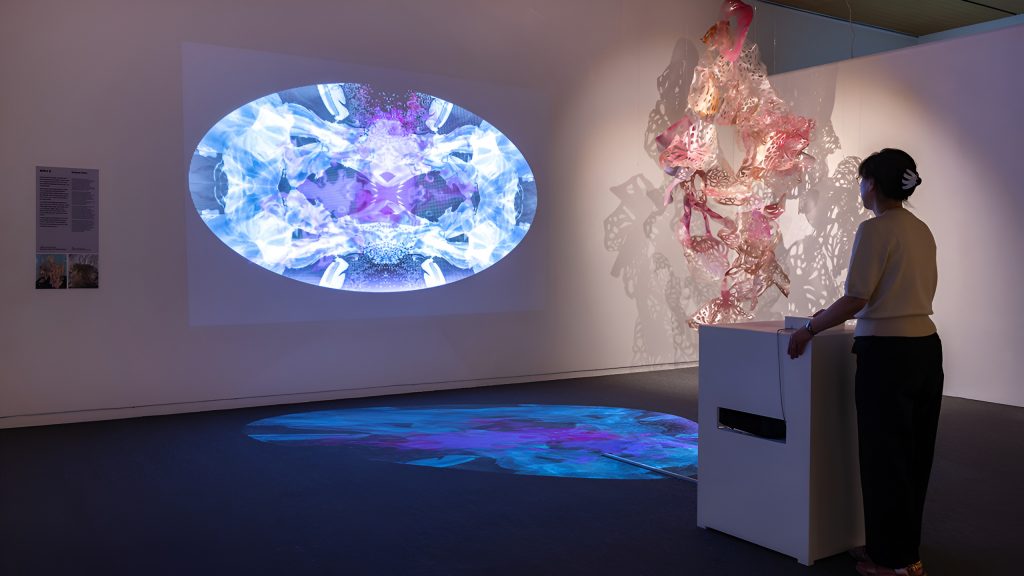
 Seoul's computational design exhibition turns technology into cultureRead the article |
SummaryThe 'Crossing Grounds' exhibition, jointly presented by Georgia Tech and the Korea Foundation, will open to the public free of charge at the Korea Foundation Gallery in Seoul from July to September 2026. The exhibition brings together 16 research projects exploring how computational design intersects with material craft, digital heritage, machine vision, and interactive media. |
Why it mattersThe exhibition positions computational processes not merely as tools for efficiency, but as a means of translation between image, geometry, heritage, and lived experience. This approach offers an alternative to the dominant narrative of 'speed and automation' in architectural technology. In a city like Seoul, where the material history of rapid urban transformation is constantly erased, works centered on digital heritage raise practical questions about how computational archives can preserve and reinterpret cultural memory, going beyond mere digitization. |
Highlights
|
Critical takeThe text reads more like a well-structured press release than a news report. The tone is consistently laudatory from start to finish. Only two titles of the exhibited works are mentioned. The remaining space is filled with 'what if' scenarios. There is no concrete reporting on what is actually being exhibited. Published on an industry site with a clear interest in promoting computational design, the text lacks critical friction. There is no dissenting voice. There is also no discussion of the known risks associated with machine vision installations that are intertwined with surveillance in public spaces. |