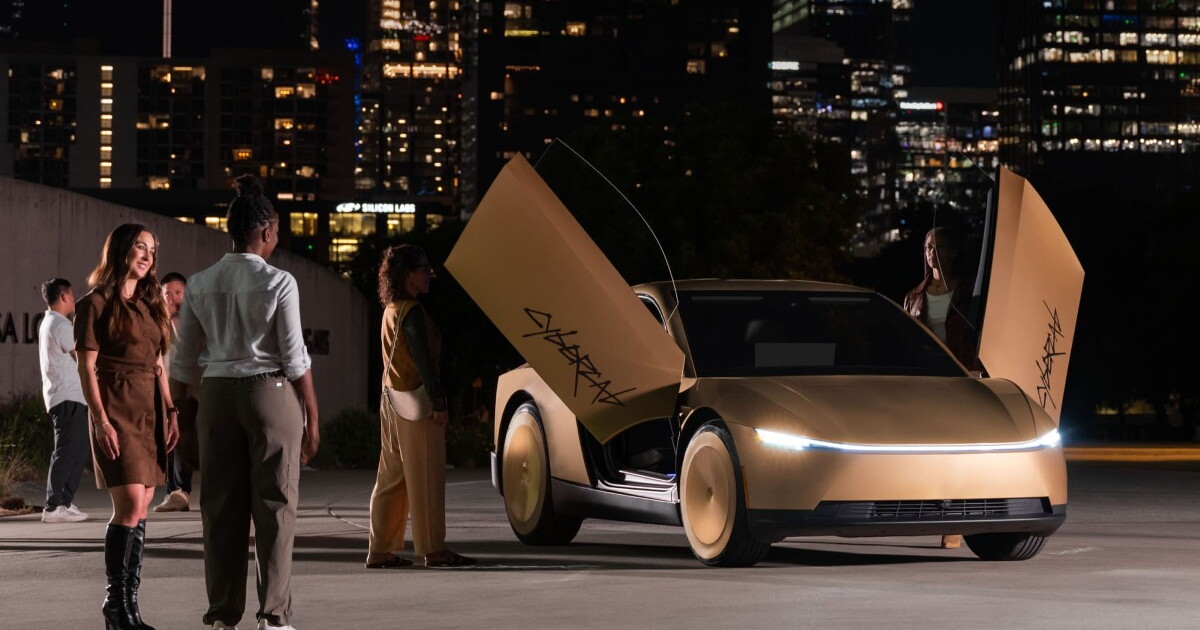
 Tesla launches driverless Cybercab service in AustinRead the article English (automatic translation) |
SummaryTesla quietly added its two-seater, steering-wheel-free Cybercab to its robotaxi fleet in Austin, Texas, approximately two years after its 2024 unveiling and well beyond the timeline Musk predicted in 2020. The launch was extremely modest, with no press release and no invitations to major media outlets, creating a striking contrast with the company's usual flashy promotional style. |
Why it mattersThis marks the first time a fully driverless, purpose-built vehicle (lacking pedals and a steering wheel) has been integrated into a commercial passenger transport service. This move places Tesla in direct competition with Waymo and Zoox, which are already operating in many US cities. It also signals Tesla's strategic shift from consumer electric vehicle manufacturing to autonomous fleet operations. If this strategy scales, it could be decisive in shaping the sharing economy market. |
Highlights
|
Critical takeThe article acknowledges that Waymo and Zoox are serving more cities and more passenger miles. It also notes that Tesla's Model Y robotaxis still require a human safety driver, making the term 'fully autonomous' premature. The quiet launch appears to reflect risk avoidance rather than confidence: Tesla is testing a high-risk, heavily regulated product in a single metropolis while its competitors solidify their operational advantages. |