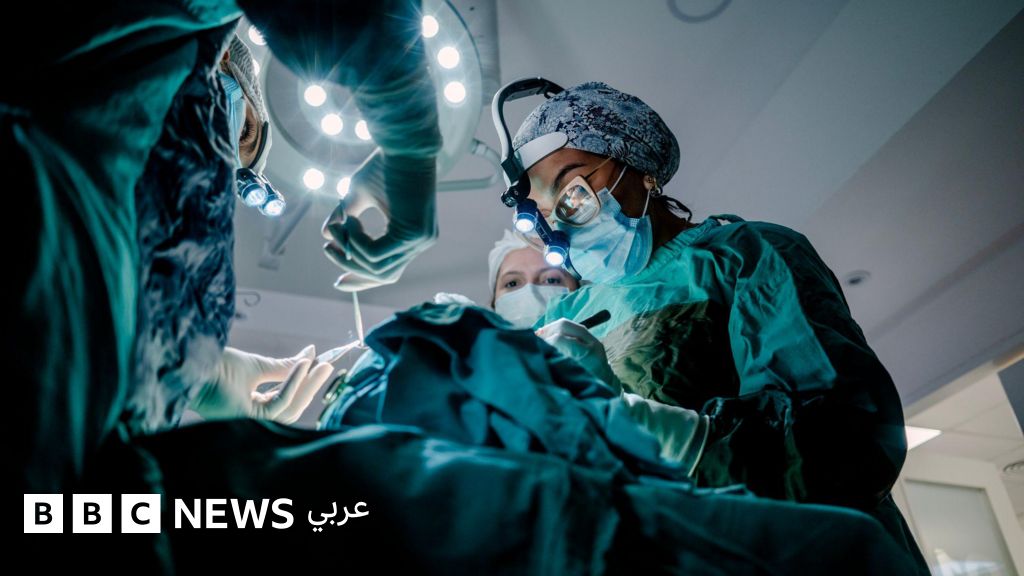
 Is artificial intelligence replacing doctors in health consultations?Read the article English (automatic translation) |
SummaryA BBC Arabic report examines how AI chatbots are increasingly becoming the first point of contact for health inquiries. According to a Microsoft study involving over 500,000 users, approximately one-fifth of conversations involve personal symptom assessment. Experts are debating whether this shift expands access or poses a risk of delaying accurate diagnoses. |
Why it mattersThe World Health Organization projects a shortage of 11 million health workers by 2030 and that 4.5 billion people will lack access to basic healthcare. AI-supported triage and information flow could help fill this critical gap, particularly for low-income and underserved populations. However, the interactive, chat-based format may foster misplaced trust or discourage users from seeking in-person care. Additionally, these benefits are not distributed equally along lines of language and digital literacy. |
Highlights
|
Critical takeThe report relies on only two named experts and a single corporate study. It provides no independent clinical efficacy data or comparisons of patient outcomes. The author’s personal anecdote—where a chatbot 'diagnosed' a gallbladder issue missed by standard tests—reads more like a compelling narrative than proof of AI’s diagnostic superiority. The question of whether AI truly supports professional judgment or merely replaces it remains largely unanswered. |