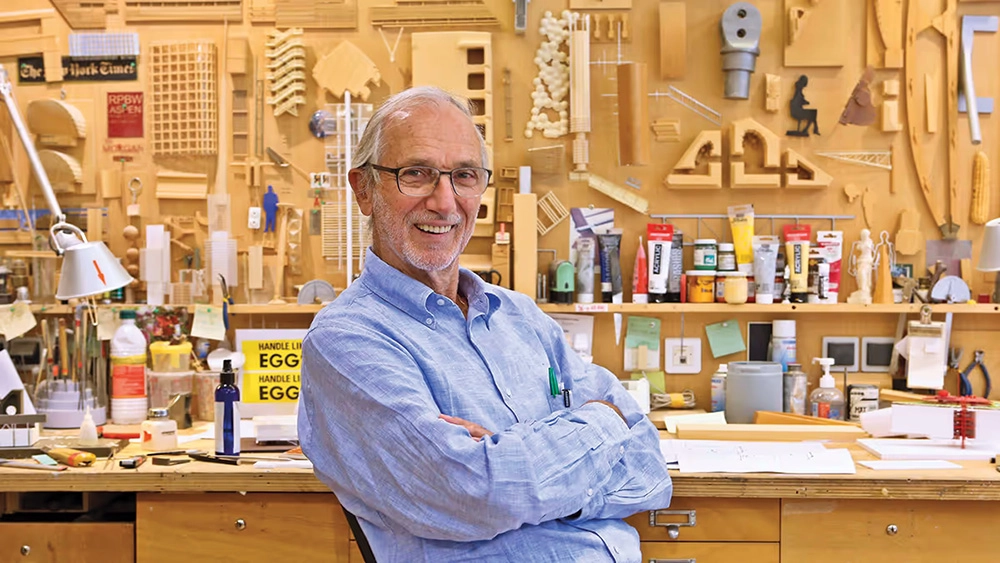
 Renzo Piano: Architecture Focused on Lightness and Human ScaleRead the article |
SummaryA summary tracing Renzo Piano's career from the High-Tech spectacle of the 1977 Centre Pompidou to a consistent design philosophy centered on lightness, transparency, and respect for the human scale in airports, towers, and cultural buildings. |
Why it mattersIn a field increasingly dominated by parametric display and AI-assisted form-finding methods, Piano's insistence on craftsmanship, material honesty, and public function offers a useful counter-narrative. His work argues that technological ambition and human warmth are not mutually exclusive. This stance gains further significance as the sector prioritizes visual novelty over lived experience. |
Highlights
|
Critical takeThe text reads more like a hagiographic biography than a critical analysis. While it touches on real tensions (The Shard's commercial logic, the conflict between luxury and public benefit), it resolves them in Piano's favor without questioning them. It fails to offer serious critique on whether the concept of 'lightness' sometimes serves merely as a marketing flourish for high-segment real estate. Additionally, the museums section cuts off mid-sentence, suggesting the text was published in an unfinished state. |