 MIT researchers create logic circuits in plants using living bacteriaRead the article English (automatic translation) |
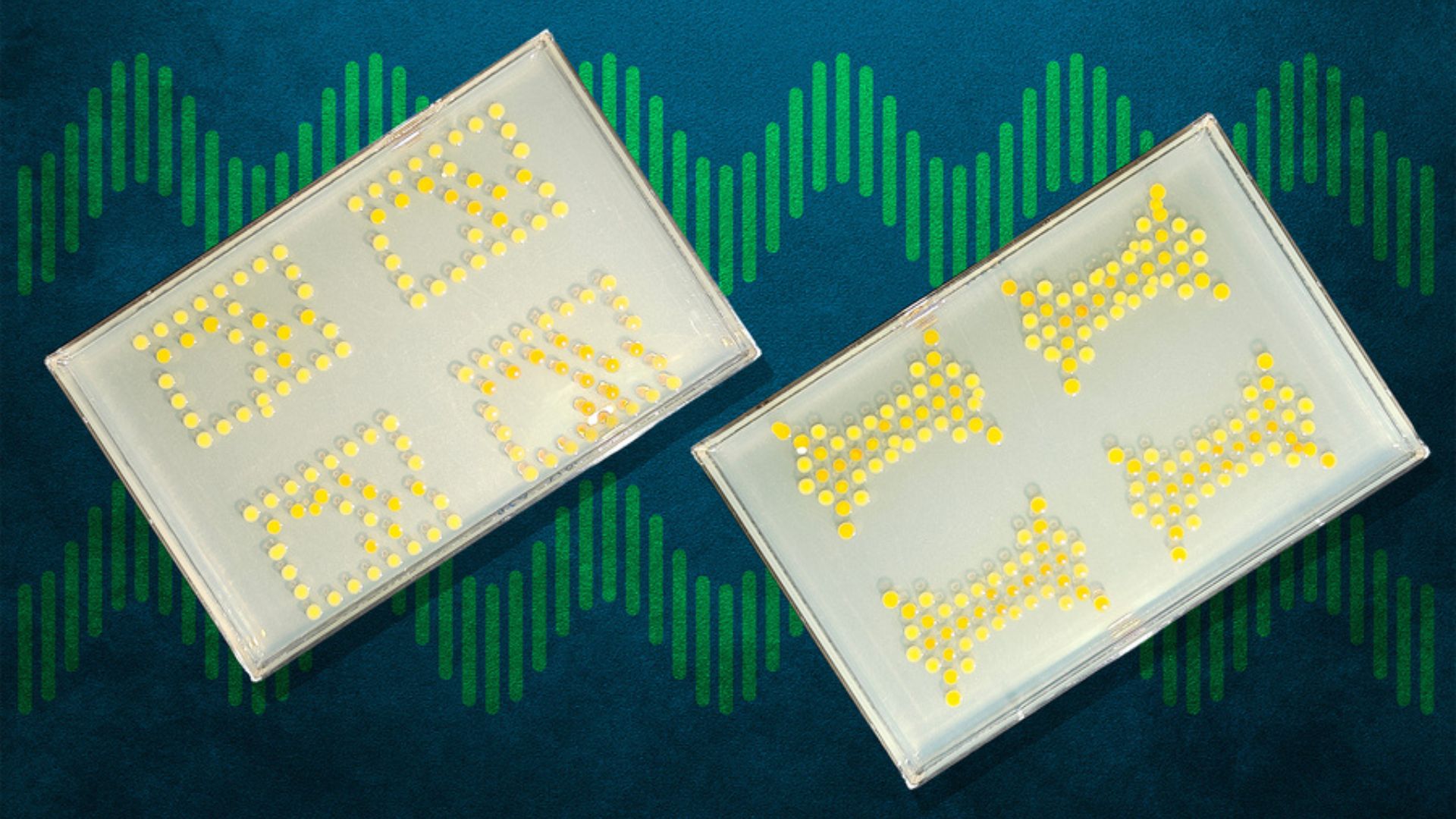
SummaryMIT researchers transformed Pantoea agglomerans bacteria into transistor-like switches capable of performing logic operations (addition, OR, demultiplexing) via chemical signal transmission between colonies pressed onto agar. The stated goal is to eventually embed these circuits into living plant tissues. |
Why it mattersThis approach reverses the conventional paradigm. Instead of integrating biology into electronic systems, computation is placed directly within a living biological context. The modular, multi-cellular architecture distributes functions across separate colonies to overcome a known bottleneck in synthetic biology: overloading a single cell's protein machinery. If the system works in vivo, plants could autonomously detect drought, pests, or disease and provide targeted biochemical responses without external electronics. |
Highlights
|
Critical takeThe 'computation within plants' framework remains an ambitious goal. All demonstrations so far have been conducted in Petri dishes. Chemical diffusion-based signal transmission is highly sensitive to temperature, pH, and competing metabolites that would arise in a real leaf or root environment. Until it is proven that the circuits work reliably in vivo, the gap between the modular agar prototype and a self-sustaining plant sensor remains significant. |