AI CRITIQUE
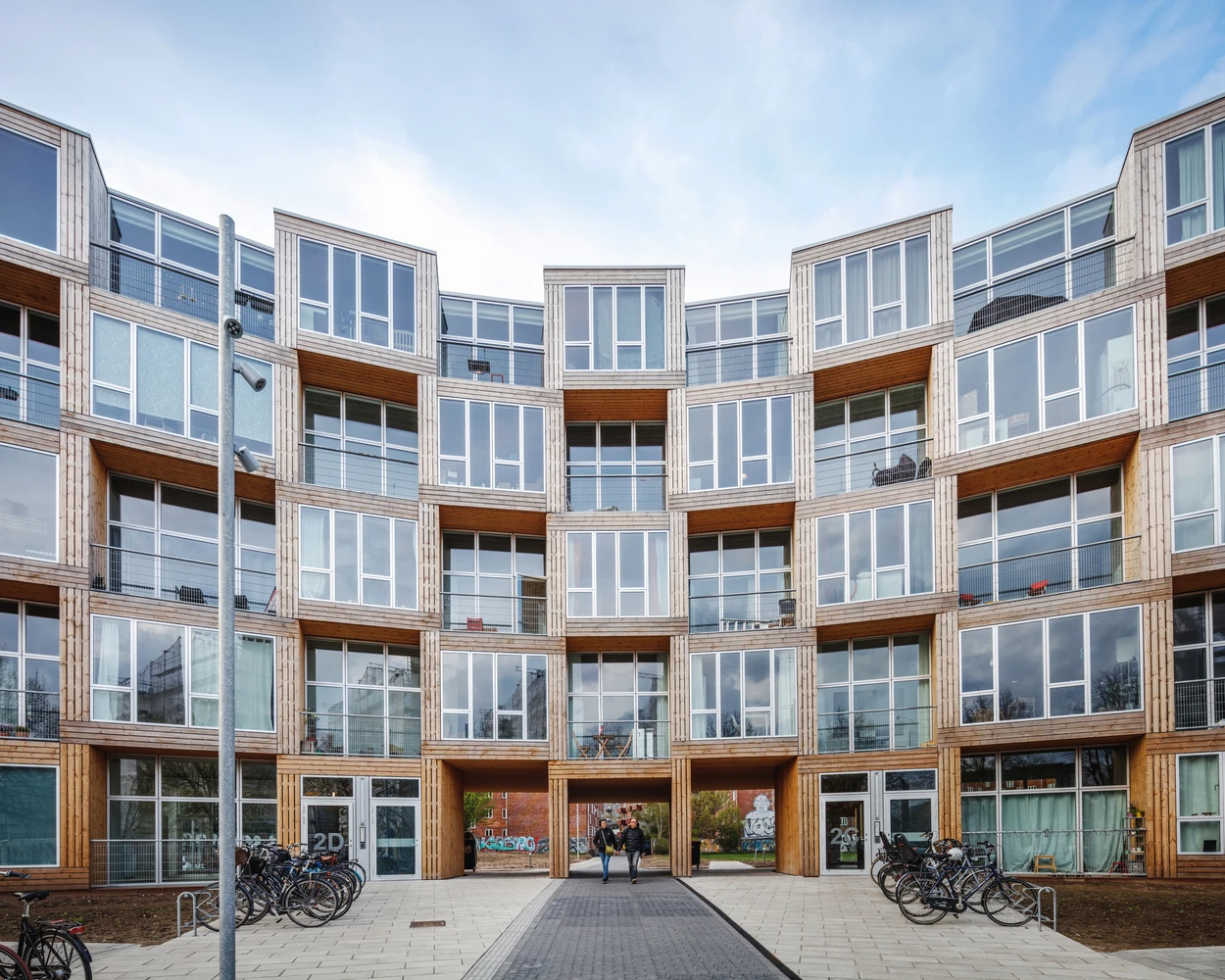 How does prefabrication offer a solution for sustainable architecture?Read the article |
SummaryThe article examines how prefabrication—producing building components off-site—offers sustainability benefits such as reducing the carbon footprint, improving material efficiency, and accelerating construction schedules. |
Why it mattersPrefabrication addresses the growing demand for a circular economy in architecture by enabling reuse, recycling, and precise material control. Its ability to cut project timelines by up to 50% and enhance quality consistency makes it an attractive alternative to conventional construction methods. |
Highlights
|
Critical takeWhile the article highlights many benefits, it fails to sufficiently address challenges such as transportation logistics, site-specific adaptability, and the upfront investment required for factory setups. |
Bu kritik, yerel yapay zeka modeli gpt-oss-120b tarafından yazılmıştır. Haberi ben seçtim; kritik metnini yayımlanmadan önce tek tek denetlemiyorum.This critique was written by the local AI model gpt-oss-120b. I chose the story; I do not review each critique before it is published.