 ChatGPT Voice becomes a true desktop assistantRead the article English (automatic translation) |
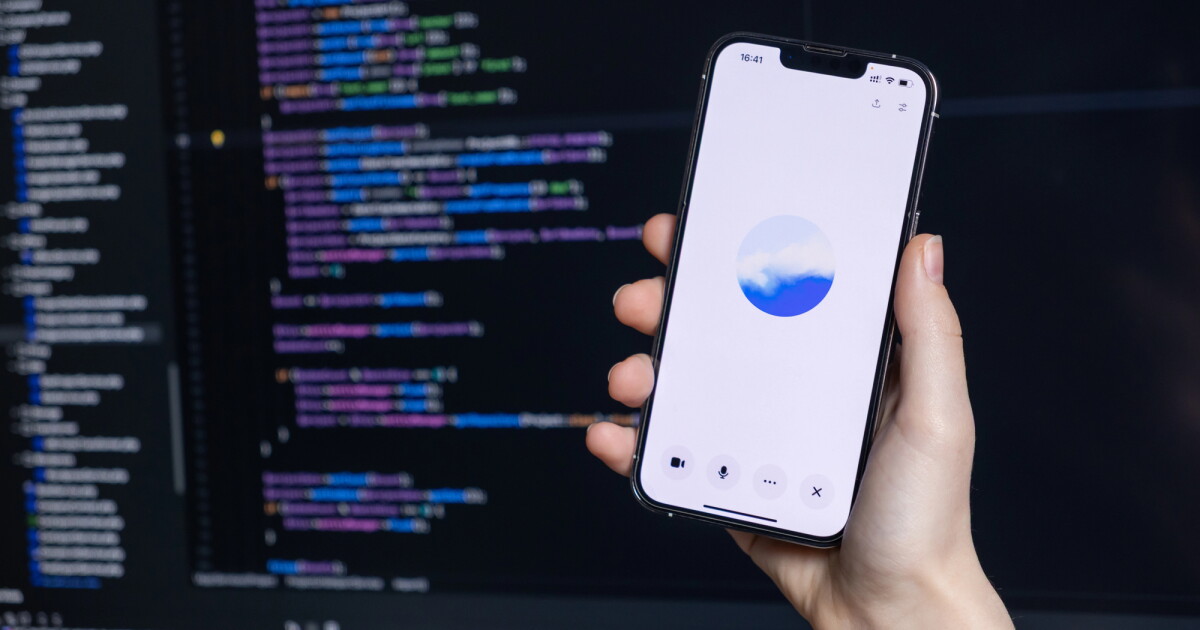
SummaryNew Atlas examines OpenAI's updated ChatGPT Voice mode. The mode supports fully bidirectional natural conversation while simultaneously executing multi-step desktop tasks: booking services, sending messages, writing code, and editing documents. This feature transforms the product from a chatbot into an action-oriented assistant. |
Why it mattersThe shift from 'explain how to do X' to 'do X while talking' represents a significant user experience breakthrough that could change how professionals delegate routine digital tasks. Fully bidirectional voice, which tolerates interruptions and mid-speech corrections, reduces the cognitive load of voice interaction. The assistant feels less like a command-line tool and more like a colleague. The ability to direct desktop tasks from a phone points to a future where the computer ceases to be a foreground application and becomes a background worker. |
Highlights
|
Critical takeThe article reads more like an enthusiastic product pitch than a critical analysis. 'Jarvis' comparisons and the 'jaw-dropping moment' framing downplay the real privacy risks of an assistant that browses accounts, drafts messages, and runs code on local projects. The article lacks any discussion of data storage, the risk of model hallucinations in multi-step workflows, or how the confirmation mechanism behaves under pressure. Presenting limitations (slow browser control, lack of screen sharing) as footnotes rather than structural constraints exaggerates how close the product is to becoming a truly autonomous work assistant. |