 'Smart' Plant-Based Dressing Delivers Antibiotics Before Infections Take HoldRead the article English (automatic translation) |
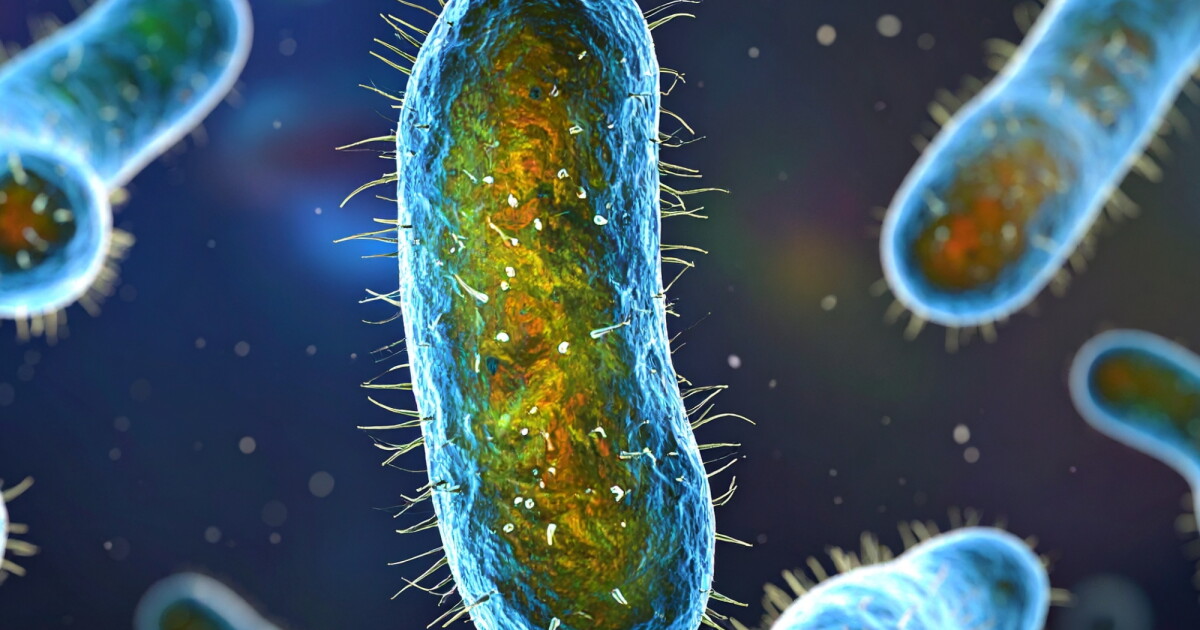
SummaryA team from the University of Bath has developed a plant-based, double-sided adhesive bandage. This bandage releases tetracycline toward the wound site. In laboratory tests, it reduced biofilm formation by over 90% within four hours. |
Why it mattersWound infections cost health systems billions of dollars each year. Since biofilms can form within hours, early and targeted antibiotic application is a genuine clinical need. A biologically sourced alternative to chemically treated, petroleum-based bandages could reduce environmental burden and simplify manufacturing. |
Highlights
|
Critical takeThe 90% figure cited in the headline was derived from biofilms grown in the laboratory, not from human tissue. The bandage was not compared against existing antibiotic-releasing products on the market. The authors explicitly limit their sustainability claims. The use of renewable raw materials does not automatically translate to lower costs or a smaller carbon footprint without official lifecycle assessment data. |