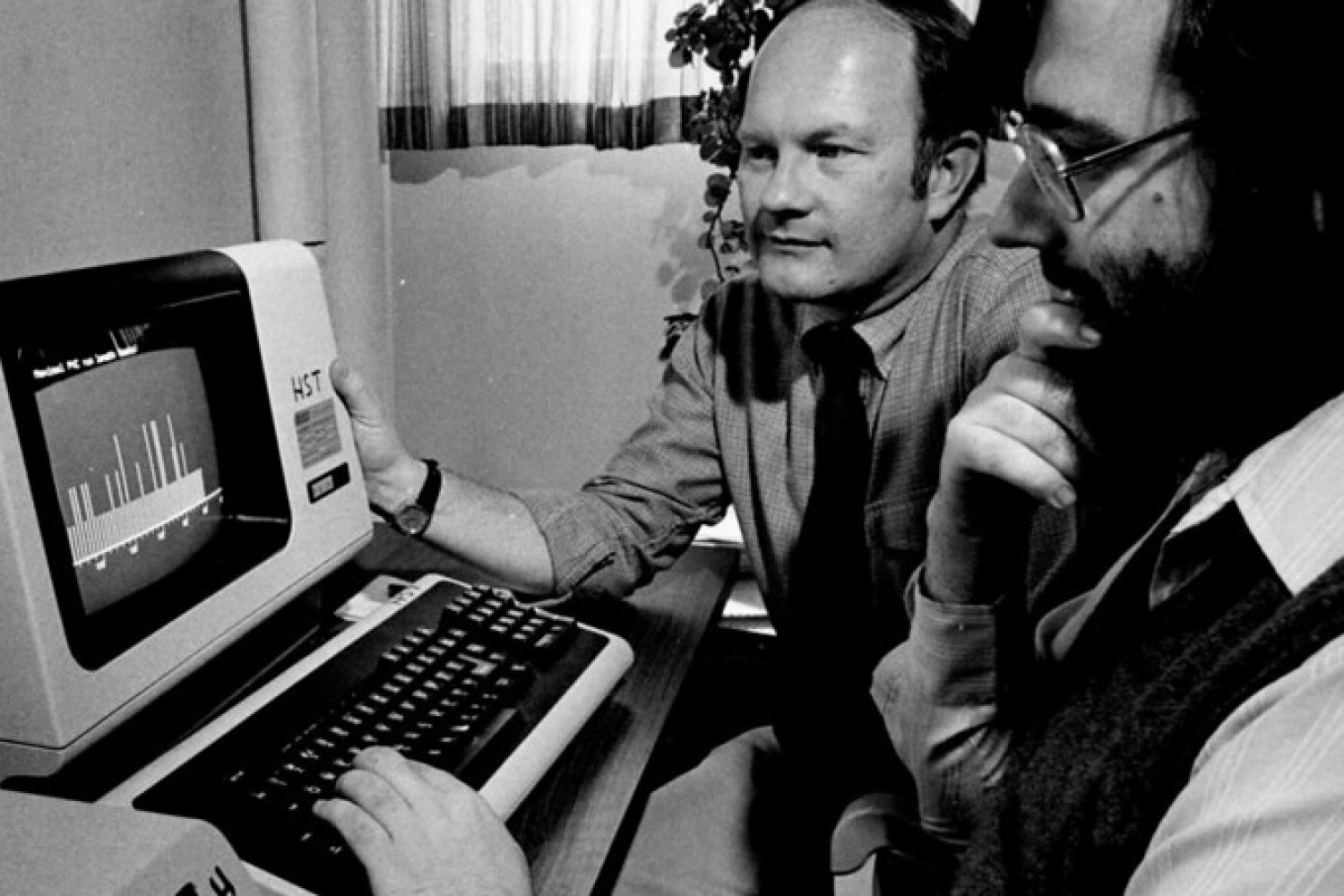
 MIT Medical Database Evolves into Global Data-Sharing StandardRead the article English (automatic translation) |
SummaryA retrospective on PhysioNet, an MIT-originated biomedical data platform that evolved from EKG magnetic tapes in the 1970s into a global open data standard used in over 180 countries and cited by more than 15,000 publications annually. |
Why it mattersPhysioNet stands out because the power of AI and machine learning models in healthcare is limited by their training data. The platform has effectively become a global standard as a rare and persistent example of open, curated clinical infrastructure. Its 25-year journey, from mailing tapes to cloud repositories, demonstrates that open data sharing accelerates biomedical discovery more effectively than siloed, institution-dependent approaches. |
Highlights
|
Critical takeThe article reads more like institutional praise than critical analysis. It fails to question the representativeness of the datasets, which are largely US-centric and heavily skewed toward intensive care data. Furthermore, it does not address the ongoing lack of reproducibility and misaligned academic incentives, even in well-curated shared data. While the article acknowledges this misalignment, it dismisses it with a single citation. |