 NVIDIA Showcases Agentic and Physical AI Advances at SIGGRAPH 2026Read the article English (automatic translation) |
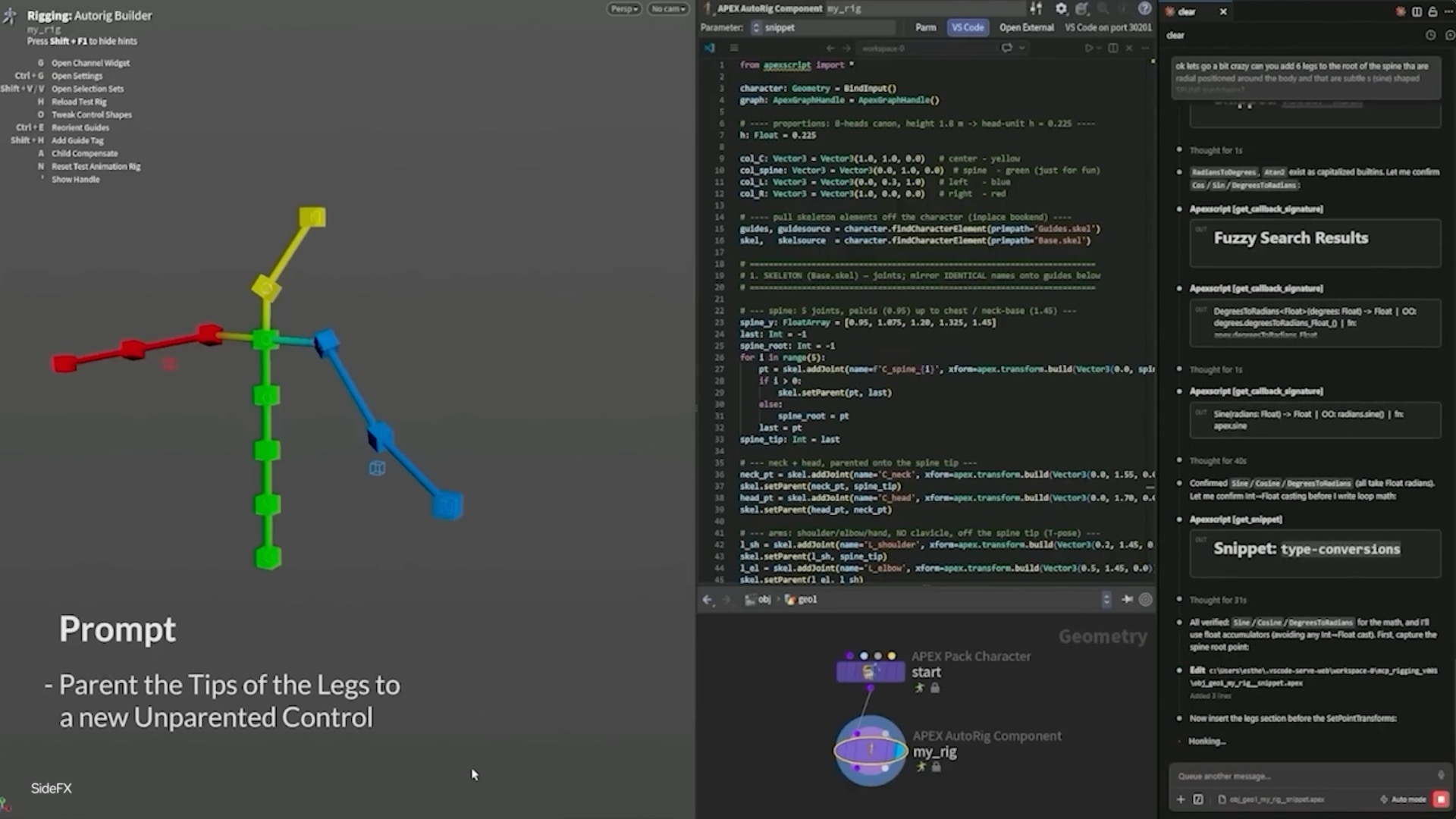
SummaryNVIDIA's keynote at SIGGRAPH 2026 highlighted advancements in neural rendering, the Cosmos 3 world model platform (including a new 4-billion-parameter on-device model), and MCP-based agentic AI solutions integrated into professional creative tools. |
Why it mattersThis signals that the convergence of AI simulation, real-time rendering, and agentic workflows could transform both content production and physical AI training pipelines. This move toward on-device inference and local agent execution directly addresses latency, cost, and data sovereignty issues that have slowed enterprise adoption. For robotics and autonomous vehicle teams, Cosmos-Dreams' ability to generate single-frame worlds on a single GPU represents a concrete step toward cheaper and safer validation cycles. |
Highlights
|
Critical takeThe article reads like a product announcement dressed up in research language. Most features labeled as 'breakthroughs' are merely incremental extensions of NVIDIA's existing software stack. The claimed 1-million-fold compression ratio for Earth-2 is presented without any discussion of accuracy losses or benchmark baselines. The MCP/agent narrative also falls flat. 'Having an agent inspect a scene' is not a validated workflow, just a demo. The article fails to address failure modes, the difference between single-frame world generation and production-grade multi-frame simulation, or how these tools perform outside of NVIDIA hardware. |